
The Certifications and Accolades of AIREVERPEAK(Xingsheng):
- National Industrial Products Production License
- European Union CE Certification
- United States Market UL Certification
- ISO 9001 Quality Management System Certification
- ISO 14001 Environmental Management System Certification
- OHSAS 18000 Occupational Health and Safety Certification
- Energy Saving and Low Carbon Certification
- Mechanical and Electrical Equipment Installation Qualification II issued by the Ministry of Construction
- AAA Level Enterprise Recognition
- Jiangsu Famous Brand
- Top 100 Excellent Enterprises in China’s Refrigeration Industry
- Top Ten National Brands in China’s Refrigeration Industry
- Our Air Conditioner Terminal Products Rated as Top Ten Brands in China
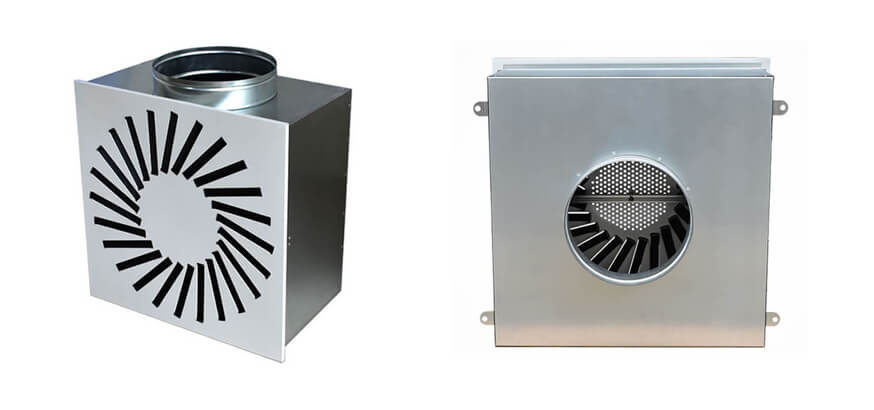
Basic Introduction of HVAC Plenum Boxes
- Noise Reduction: HVAC systems can be noisy. Plenum boxes designed to minimize noise are highly desirable for residential use.
- Durability and Quality: Long-lasting, high-quality materials that require less maintenance and are resistant to wear and tear.
- Scalability: Products suitable for both small and large-scale installations.
- Customization and Flexibility: Ability to customize plenum boxes to fit various architectural designs and airflow requirements.
- Cost-Effectiveness: Competitive pricing for bulk purchases, along with long-term cost savings in maintenance and energy consumption.
- Robustness for Commercial Use: Enhanced durability to withstand more intensive usage typical in commercial settings.
Feature Description
- Rubber insulation
- Sizes can be customized
- Made of galvanized steel plate
- Damper is optional
- Dimensions tolerance is ± 2mm
Basic styles and sizes of HVAC Plenum Boxes

If you want to know more, please click below:
- HVAC Linear Slot Diffusers – The Ultimate Guide
- HVAC Egg Crate Diffuser – The Ultimate Guide
- HVAC Jet Nozzle Diffuser – The Ultimate Guide
- HVAC Linear Bar Grilles – The Ultimate Guide
- HVAC Air Swirl Diffusers – The Ultimate Guide
- HVAC Round Ceiling Diffusers – The Ultimate Guide
- Round Ceiling Diffusers – The Ultimate Guide
- HVAC Return Air Grille – The Ultimate Guide
- Exhaust Air Louver – The Ultimate Guide
- HVAC Registers – The Ultimate Guide
HVAC Plenum Boxes – The Ultimate Guide
1. What are plenum boxes in HVAC systems?
Plenum boxes in HVAC (Heating, Ventilation, and Air Conditioning) systems are essential components that serve as central chambers for air distribution. They are connected to the ductwork and the HVAC unit, functioning to either deliver conditioned air from the unit into the ducts (supply plenum) or collect air from the building to return it to the HVAC unit for reconditioning (return plenum). Their design ensures efficient and uniform airflow throughout the system.
2. What is a plenum in exhaust?
A plenum in exhaust systems is a key component that helps manage airflow. Think of it as a special box or chamber connected to the exhaust ducts. Its job is to either gather or spread out the air or gases being exhausted from a space.
The way a plenum is designed makes a big difference in how well the exhaust system works. It ensures that the airflow is even, whether it’s pulling air out or pushing it through the system. This even flow is crucial for the system to do its job right, like removing unwanted air or gases effectively.
An added bonus of a plenum is noise reduction. Some plenums have materials inside them that lower the noise level. This is really helpful in places where keeping things quiet is important, like in homes or offices. So, besides managing airflow, plenums also help keep the exhaust system running smoothly and quietly.
3. How do plenum boxes function within an HVAC system?
Plenum boxes in an HVAC system function as air distribution hubs, connectors between ductwork and air handlers, facilitators of airflow, regulators of temperature, balancers of pressure, reducers of noise, and potential filters for air, and are customizable to specific building needs. Their efficient operation is essential for the effective performance of the overall HVAC system, ensuring that conditioned air is evenly and quietly distributed throughout the space.
Air Distribution Hub
- Central Collection Point: Plenum boxes act as a central collection point for air within the HVAC system. They are typically connected to the main duct and work as a hub for distributing air to various parts of the building.
Connecting Ductwork to Air Handlers
- Link Between Components: Plenum boxes serve as the link between the ductwork and air handlers or furnaces. They ensure that air is efficiently transferred from these systems into the ducts.
Facilitates Airflow
- Smooth Transition of Air: Plenum boxes facilitate a smooth transition of air from the HVAC unit into the ductwork, minimizing turbulence and aiding in consistent airflow.
Temperature Regulation
- Mixing and Conditioning Air: In some setups, the plenum box can also be a site where air is mixed or further conditioned (heated or cooled) before being distributed through the ducts.
Pressure Balancing
- Maintains Pressure Levels: They help maintain proper air pressure throughout the HVAC system, which is crucial for efficient and balanced air distribution.
Noise Reduction
- Dampens Sound: Plenum boxes can also function to reduce noise from the HVAC units, contributing to quieter operation and less transmission of sound through the ductwork.
Filtering Air
- Air Filtration Point: In some systems, plenum boxes may contain filters to clean the air before it is circulated throughout the building, improving indoor air quality.
Customization and Adaptation
- Adaptable to Building Needs: Plenum boxes can be customized according to the specific requirements of a building’s ventilation system, including size, shape, and material.

4. What are the different types of plenum boxes available for HVAC systems?
In HVAC systems, plenum boxes come in various types, each designed to suit specific applications and functionalities within the system. The choice of a plenum box type depends on factors like the layout of the HVAC system, space constraints, and specific air distribution requirements.
Different types of plenum boxes, including supply, return, inline, ceiling, fire-rated, acoustic, custom, and VAV plenum boxes, cater to various requirements in HVAC systems. Their selection is based on the specific needs of the air distribution system, space constraints, safety requirements, noise control, and the level of control required over the airflow.
Supply Plenum Boxes
- Distribute Conditioned Air: These boxes are connected to the output of the HVAC unit and are responsible for distributing conditioned air (either heated or cooled) into the ductwork system.
Return Plenum Boxes
- Collect Used Air: Return plenum boxes are connected to the return ducts and are used to collect used air from the building and deliver it back to the HVAC unit for reconditioning.
Inline Plenum Boxes
- Installed Within Ductwork: These are installed within the ductwork system and are used to manage airflow or to introduce additional air from outside or other sources.
Ceiling Plenum Boxes
- Space for Air Mixing: Often used in suspended ceiling applications, these plenum boxes provide a space above the ceiling for air mixing, distribution, and conditioning.
Fire-Rated Plenum Boxes
- Enhanced Safety: Designed to contain and prevent the spread of fire within the ductwork, these plenum boxes are made from materials that can withstand high temperatures and comply with fire safety regulations.
Acoustic Plenum Boxes
- Noise Reduction: Equipped with sound-absorbing materials, acoustic plenum boxes are designed to reduce noise generated by the air handling unit or the flow of air within the ducts.
Custom Plenum Boxes
- Tailored to Specific Needs: For unique HVAC system configurations or specific architectural requirements, plenum boxes can be custom-made to specific sizes, shapes, and materials.
5. How do I select the right size plenum box for my HVAC system?
Selecting the right size plenum box involves assessing the HVAC system’s requirements, calculating the required airflow, matching the plenum box to the ductwork, considering air pressure and space constraints, consulting the manufacturer’s specifications, seeking professional advice, and exploring customization options. Accurate sizing is key to ensuring efficient airflow, system performance, and overall comfort.
Assess the HVAC System’s Requirements
- Understand System Capacity: Determine the capacity of your HVAC unit (in terms of airflow volume, usually measured in cubic feet per minute or CFM) to ensure the plenum box can handle the air volume.
Calculate Required Airflow
- Room Volume and Air Changes: Calculate the room’s volume and the required air changes per hour (ACH). Use the formula: CFM = (Room Volume x ACH) / 60 to establish the CFM requirements.
Match Plenum Box to Ductwork
- Ductwork Dimensions: Measure the size of the ductwork connected to where the plenum box will be installed. The plenum box should match these dimensions to ensure a proper fit and efficient airflow.
Consider Air Pressure
- System Air Pressure: Understand the air pressure levels in your system. The size of the plenum box should be adequate to handle the pressure without causing excess noise or reducing system efficiency.
Account for Space Constraints
- Physical Space: Evaluate the physical space where the plenum box will be installed. Ensure the selected size can be accommodated within the available area.
Consult Manufacturer’s Specifications
- Manufacturer Recommendations: Refer to the manufacturer’s guidelines for plenum box sizing relative to different HVAC systems and room sizes. These specifications can provide a good starting point.
Professional Assessment
- Expert Advice: Given the complexities in calculating the correct size, it’s advisable to consult with an HVAC professional. They can provide precise recommendations based on a thorough assessment of your system and space.
Customization Options
- Custom Sizing: If standard sizes don’t meet your requirements, consider custom-sized plenum boxes. Many manufacturers offer plenum boxes tailored to specific system needs.
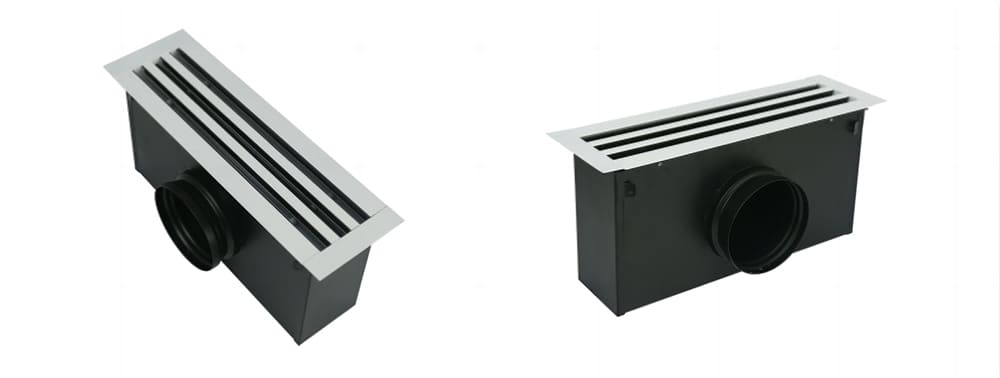
6. Are there specific materials recommended for HVAC plenum boxes?
Yes, there are specific materials that are commonly recommended for HVAC plenum boxes due to their durability, efficiency in air handling, and compliance with safety standards. The recommended materials for HVAC plenum boxes include galvanized steel, aluminum, stainless steel, fiberglass, duct board, composite materials, and fire-resistant substances. The choice depends on various factors such as environmental conditions, system requirements, safety standards, and specific HVAC applications. The right material ensures efficient operation, longevity, and compliance with safety and building codes in HVAC installations.
Galvanized Steel
- Durability and Rust Resistance: Galvanized steel is widely used due to its strength and resistance to corrosion and rust. It is particularly suitable for HVAC applications because of its long-lasting nature.
Aluminum
- Lightweight and Corrosion Resistant: Aluminum is another popular choice for plenum boxes. It’s lighter than steel and naturally resistant to corrosion, making it easier to handle and install.
Stainless Steel
- High Corrosion Resistance: In environments with higher humidity or potential for chemical exposure, stainless steel is recommended for its superior corrosion resistance.
Fiberglass
- Insulation Properties: Fiberglass is used in situations where additional insulation is required. It helps in minimizing heat loss and reducing noise.
Duct Board
- Insulated and Sound Absorbing: Made from compressed fiberglass or similar materials, duct board offers good insulation and sound-dampening properties, but may not be as durable as metal options.
Composite Materials
- Innovative Combinations: Some modern plenum boxes use composite materials that combine the benefits of different substances, like strength, lightweight, and insulation.
Fire-Resistant Materials
- Safety Considerations: For enhanced safety, materials that are fire-resistant or non-combustible are often used, especially in commercial or industrial settings.
7. How are plenum boxes installed in an HVAC system?
Proper installation of plenum boxes in an HVAC system involves preparation, accurate measurement and cutting, connecting to the HVAC unit, securing the plenum box, attaching ductwork, installing diffusers, checking for air leaks, and testing the system. Ensuring that each step is executed correctly is essential for the efficient and effective functioning of the HVAC system.
Preparation
- Gather Necessary Tools and Materials: Ensure you have all the necessary tools, such as screwdrivers, drills, screws, sealant, and tape measure.
- Turn Off the HVAC System: For safety, turn off the HVAC system before starting the installation.
Measure and Cut
- Determine the Size: Measure the space where the plenum box will be installed, particularly noting the size of the duct opening.
- Cutting to Size: If necessary, cut the plenum box to match the exact size required for your HVAC system.
Connect to the Air Handler or Furnace
- Align with the HVAC Unit: Position the plenum box in alignment with the air handler or furnace outlet. Ensure that it fits snugly and securely.
Secure the Plenum Box
- Fasten with Screws: Use screws to securely fasten the plenum box to the HVAC unit or the adjoining ductwork.
- Seal Joints: Apply duct sealant or use foil tape to seal all joints. This step is crucial to prevent air leaks.
Attach Ductwork
- Connect Ducts: Attach the ductwork to the plenum box. Ensure that each duct is securely fastened and sealed at the connection points.
Install Diffusers (if applicable)
- Attach to Outlets: If the plenum box has outlets for diffusers, install the diffusers at these points, ensuring they are properly aligned and secured.
Check for Air Leaks
- Inspect Seals and Joints: After installation, inspect all seals and joints for any signs of air leakage. Seal any leaks found immediately.
Test the System
- Turn On and Observe: Once installation is complete, turn the HVAC system back on and observe the airflow through the newly installed plenum box and connected ducts.
Professional Assistance
- Seek Expert Help for Complex Installations: For complex installations or if you are unsure about the process, consider seeking assistance from a professional HVAC technician.

8. What is the role of plenum boxes in air distribution?
The role of plenum boxes in air distribution is multifaceted, involving centralized air distribution, connecting HVAC units to ductwork, regulating airflow, enhancing air quality, reducing noise, adapting to different environments, and optimizing overall HVAC system performance. Their effective functioning is vital for maintaining comfortable, healthy, and efficient indoor environments.
Central Distribution Point
- Collecting and Dispersing Air: Plenum boxes act as central hubs where air is collected from the HVAC unit and then dispersed through the ductwork to various parts of the building.
Connection Between HVAC Unit and Ductwork
- Linking Component: They serve as a key connecting point between the HVAC unit (like an air handler or furnace) and the ductwork system, facilitating the transition of air between these components.
Regulating Airflow
- Balancing Air Pressure: Plenum boxes help in balancing the air pressure within the duct system, which is crucial for ensuring that air is evenly distributed throughout the space.
Enhancing Air Quality
- Filtering Capabilities: In some HVAC systems, plenum boxes contain air filters that cleanse the air as it passes through, removing dust, allergens, and other pollutants, thereby improving indoor air quality.
Noise Reduction
- Dampening Sound: By providing a space for air to expand and slow down, plenum boxes can reduce noise levels associated with the movement of air, leading to quieter operation of the HVAC system.
Adapting to Various Settings
- Customizable for Different Environments: Plenum boxes can be designed and installed to suit various environments, from large commercial spaces to small residential areas, adapting to specific air distribution requirements.
Efficiency in Air Delivery
- Optimizing HVAC Performance: The proper design and installation of plenum boxes contribute to the overall efficiency of the HVAC system, ensuring that conditioned air is delivered effectively to all areas.
9. How do plenum boxes affect the efficiency of HVAC systems?
Plenum boxes affect the efficiency of HVAC systems by ensuring effective air distribution, balancing air pressure, reducing energy consumption, contributing to quieter operation, providing seamless integration with other HVAC components, supporting air filtration, and being adaptable to specific system needs. Their role is crucial in ensuring that the HVAC system operates optimally, providing comfort while maintaining energy efficiency.
Effective Air Distribution
- Uniform Airflow: Plenum boxes contribute to the even distribution of air throughout the ductwork, ensuring that all areas receive adequate conditioned air, which is essential for maintaining comfort without overstraining the system.
Balancing Air Pressure
- Optimizing Airflow: By balancing the air pressure within the duct system, plenum boxes help in optimizing airflow, reducing the likelihood of hot or cold spots, and enhancing the efficiency of air conditioning and heating.
Reducing Energy Consumption
- Minimizing Air Leakage: A well-designed and properly installed plenum box can minimize air leakage in the duct system, leading to reduced energy consumption and lower utility bills.
Noise Reduction
- Quieter Operation: Efficient plenum boxes can dampen the sound of moving air and the operation of the HVAC unit, contributing to a more comfortable environment which is an indirect indicator of system efficiency.
Integration with HVAC Components
- Seamless Connection: Plenum boxes that are correctly sized and fitted provide a seamless connection between the air handler and the ductwork, which is crucial for maintaining the integrity and efficiency of the system.
Support for Filtration
- Improving Air Quality: In systems where plenum boxes house air filters, they play a role in improving indoor air quality, which can reduce the load on the HVAC system by maintaining cleaner internal components.
Customization for Specific Needs
- Adapting to System Requirements: Plenum boxes can be customized to meet the specific requirements of an HVAC system, ensuring that they enhance rather than impede system performance.

10. Can plenum boxes be custom-made for specific HVAC system requirements?
Yes, plenum boxes can indeed be custom-made to meet specific requirements of HVAC (Heating, Ventilation, and Air Conditioning) systems. Custom plenum boxes are often necessary to accommodate unique architectural designs, space constraints, or specific airflow needs.
Custom-made plenum boxes are a viable solution for meeting specific HVAC system requirements, offering custom sizing, adaptability to space constraints, specific material selection, tailored airflow dynamics, compatibility with modern systems, incorporation of special features, compliance with standards, and professional design and fabrication. They ensure that the HVAC system operates efficiently and effectively, tailored to the unique demands of the building and its occupants.
Tailored to System Specifications
- Custom Sizing: Plenum boxes can be custom-sized to fit specific spaces or to connect with unique ductwork layouts that standard sizes might not accommodate.
Adaptability to Space Constraints
- Space Optimization: In buildings with limited or unconventional space, custom plenum boxes can be designed to fit precisely, maximizing the use of available space while ensuring efficient air distribution.
Material Selection
- Specific Material Requirements: Custom plenum boxes allow for the selection of materials based on the specific environmental conditions and durability needs of the HVAC system, including options like galvanized steel, aluminum, or fiberglass.
Design for Specific Airflow Needs
- Airflow Dynamics: They can be engineered to meet particular airflow dynamics, ensuring the right amount of air is delivered with the appropriate velocity and direction, which is crucial for spaces with unique ventilation demands.
Integration with Advanced HVAC Systems
- Compatibility with Modern Systems: Custom plenum boxes can be designed to integrate seamlessly with advanced HVAC systems, including those with variable air volume (VAV) controls or specialized filtration systems.
Accommodation of Additional Features
- Incorporation of Special Features: Features like built-in dampers, noise reduction insulation, or air filtration units can be included in the design to meet the specific operational needs of the HVAC system.
Compliance with Building Codes and Standards
- Safety and Efficiency Standards: Custom plenum boxes can be designed to comply with relevant building codes, safety standards, and energy efficiency requirements, ensuring that they not only fit the system but also adhere to regulatory mandates.
Professional Design and Fabrication
- Expertise in Manufacturing: Creating custom plenum boxes typically involves working with HVAC professionals or specialized manufacturers who have the expertise to design and fabricate units that precisely meet the system’s requirements.
11. What are the maintenance requirements for HVAC plenum boxes?
The maintenance requirements for HVAC plenum boxes include routine inspections, regular cleaning, maintaining seal integrity, filter replacement, securing duct connections, checking for corrosion, monitoring for unusual noises, and seeking professional maintenance. Adhering to these maintenance practices helps ensure that the plenum boxes, and consequently the entire HVAC system, operate efficiently, reliably, and safely.
Routine Inspection
- Regular Checks: Conduct regular inspections of plenum boxes to identify any signs of damage, corrosion, or wear and tear. This helps in early detection of issues that could affect system performance.
Cleaning
- Dust and Debris Removal: Regularly clean the interior and exterior of plenum boxes to remove dust, debris, or any buildup that might obstruct airflow or degrade air quality.
Seal Integrity
- Check and Maintain Seals: Ensure that all seals and joints in and around the plenum box are intact and airtight. Repair or replace any damaged seals to prevent air leaks, which can reduce system efficiency.
Filter Replacement (if applicable)
- Change Filters Regularly: If the plenum box contains air filters, they should be replaced or cleaned according to the manufacturer’s recommendations to ensure optimal air quality.
Duct Connection
- Secure Ductwork: Verify that the connections between the plenum box and the ductwork are secure and properly sealed. Loose connections can lead to air leakage and inefficiency.
Corrosion and Damage Check
- Inspect for Corrosion: In metal plenum boxes, check for any signs of rust or corrosion, particularly in environments with high humidity or chemical exposure.
Noise Monitoring
- Listen for Unusual Sounds: Be alert to any unusual noises coming from the plenum box, as these can indicate loose components or other issues that need attention.
Professional Maintenance
- Expert Review: It’s advisable to include the plenum boxes in the regular professional maintenance schedule for your HVAC system. An HVAC technician can conduct a thorough check and perform any necessary repairs.

12. How do plenum boxes impact indoor air quality?
Plenum boxes impact indoor air quality by ensuring uniform airflow, integrating air filtration, reducing contaminant build-up, controlling humidity, maintaining temperature consistency, enhancing ventilation efficiency, and contributing to a quieter indoor environment. Their role is integral to maintaining a healthy, comfortable, and safe indoor atmosphere, highlighting their importance in HVAC system design and function.
Distribution of Conditioned Air
- Uniform Airflow: Plenum boxes help in the even distribution of conditioned air throughout the building. By ensuring that air is evenly dispersed, they contribute to maintaining consistent temperature and humidity levels, which are vital for good indoor air quality.
Air Filtration Integration
- Filtering Airborne Particles: In systems where plenum boxes are equipped with filters, they play a direct role in removing dust, allergens, and other airborne contaminants from the air. This filtration is crucial for maintaining a healthy indoor environment, especially in sensitive areas like homes, hospitals, and schools.
Reducing Contaminant Build-Up
- Preventing Stagnation: Effective air circulation facilitated by plenum boxes helps in reducing the build-up of pollutants. Stagnant air can lead to increased concentration of contaminants, which is mitigated by proper air movement.
Humidity Control
- Balancing Moisture Levels: By aiding in the distribution of air, plenum boxes indirectly help in controlling humidity levels. Excessive humidity can lead to mold growth and poor IAQ, whereas too dry air can cause discomfort and health issues.
Temperature Consistency
- Preventing Overheating or Overcooling: Plenum boxes contribute to maintaining a consistent temperature within a space. Extremes in temperature can negatively impact IAQ and occupant comfort.
Enhancing Ventilation Efficiency
- Improving Air Exchange: They are instrumental in enhancing the efficiency of the ventilation system. Efficient ventilation is key to introducing fresh outdoor air and expelling stale indoor air, thereby improving IAQ.
Noise Reduction
- Quieter Environment: By reducing system noise, plenum boxes can create a more comfortable indoor environment. Excessive noise can be a distraction and affect the perceived quality of indoor air.
13. Are there fire-resistant or insulated plenum boxes available?
Yes, fire-resistant and insulated plenum boxes are available and widely used in HVAC systems, particularly in settings where enhanced safety standards and energy efficiency are priorities. These specialized plenum boxes are designed to meet specific regulatory requirements and improve the overall performance of the HVAC system.
Fire-Resistant Plenum Boxes
- Enhanced Safety Features: Fire-resistant plenum boxes are constructed with materials that are capable of withstanding high temperatures and slowing the spread of fire. This feature is crucial in commercial buildings and residential areas where fire safety is a major concern.
- Compliance with Building Codes: These plenum boxes are designed to comply with local and international fire safety standards and building codes, ensuring that they contribute to the overall safety of the building’s HVAC system.
- Use of Non-Combustible Materials: Typically, fire-resistant plenum boxes are made from non-combustible materials like galvanized steel or aluminum, which provide a higher degree of fire resistance compared to standard materials.
Insulated Plenum Boxes
- Energy Efficiency: Insulated plenum boxes play a key role in reducing heat loss or gain in the HVAC system. This insulation improves the system’s energy efficiency, leading to lower energy costs and more consistent indoor temperatures.
- Noise Reduction: Besides energy efficiency, the insulation in these plenum boxes also helps in reducing noise generated by the air handling unit or the airflow within the ducts, contributing to a quieter indoor environment.
- Material and Design Variability: Insulated plenum boxes can be made from various materials, including fiberglass or foam insulation materials, and are often designed to match the specific requirements of the HVAC system and building design.
Applications and Availability
- Wide Usage: Fire-resistant and insulated plenum boxes are used in a variety of settings, including commercial buildings, industrial facilities, and residential properties, where safety and energy efficiency are top priorities.
- Customizable Options: Many manufacturers offer customizable options for both fire-resistant and insulated plenum boxes to meet the specific needs of different HVAC systems and architectural designs.

14. What is the average lifespan of an HVAC plenum box?
The average lifespan of an HVAC plenum box is influenced by factors such as the material’s durability, environmental factors, quality of installation, and regular maintenance. Typically, a well-maintained plenum box in a favorable environment can be expected to last between 10 to 20 years, although this can vary based on specific conditions and the quality of the product. Regular inspections and maintenance are key to maximizing the lifespan of a plenum box.
Material Durability
- Construction Material: Plenum boxes are often made from galvanized steel, aluminum, or fiberglass. Galvanized steel and aluminum are known for their durability and can withstand harsh conditions, contributing to a longer lifespan.
Environmental Factors
- Exposure to Elements: The environment in which the plenum box operates plays a significant role. Boxes in areas with high humidity, fluctuating temperatures, or chemical exposure may have a reduced lifespan due to increased risk of corrosion or material degradation.
Installation Quality
- Proper Installation: A plenum box that is correctly installed, ensuring a good fit and proper sealing, is less likely to suffer from early wear or damage, thus potentially extending its useful life.
Regular Maintenance
- Maintenance and Upkeep: Regular cleaning and maintenance, including inspecting for leaks, and corrosion, and ensuring all connections are secure, can significantly prolong the lifespan of a plenum box.
Typical Lifespan Expectation
- General Lifespan Range: Under normal operating conditions and with proper maintenance, an HVAC plenum box can last anywhere from 10 to 20 years. However, this range can vary based on the factors mentioned above.
Manufacturer and Model Variability
- Quality and Warranty: The lifespan can also depend on the manufacturer and specific model of the plenum box. Higher-quality models generally offer a longer lifespan and come with more robust warranties.
Replacement Considerations
- Signs of Wear: It’s important to replace a plenum box if it shows signs of significant wear or damage, as a malfunctioning box can affect the efficiency of the entire HVAC system.
15. How do plenum boxes integrate with different types of ductwork?
Plenum boxes in HVAC systems are designed to integrate seamlessly with various types of ductwork, ensuring efficient air distribution throughout the space. The integration process varies depending on the type of ductwork and the specific design of the HVAC system.
Plenum boxes integrate with different types of ductwork — flexible or rigid — through custom fittings, airtight sealing, and insulation, balancing airflow with dampers, providing structural support, and adhering to HVAC standards and building codes.
Compatibility with Ductwork Types
- Flexible Ductwork: Plenum boxes can be connected to flexible ducts, which are often used in spaces where rigid ductwork is impractical. The connection typically involves a collar or adapter to ensure a secure and airtight fit.
- Rigid Ductwork: For rigid or sheet metal ducts, plenum boxes usually have specific flanges or interfaces designed for a direct connection. This ensures a durable and stable integration.
Custom Fittings for Unique Systems
- Custom Adapters: In systems with unique ductwork configurations, custom adapters or connectors can be used to ensure plenum boxes fit properly and function effectively.
Sealing and Insulation
- Airtight Seals: Regardless of the duct type, it’s crucial to ensure that the connection between the plenum box and ductwork is airtight. This often involves the use of sealants, tapes, or clamps.
- Insulation Considerations: In some cases, especially with metal ductwork, additional insulation around the connection points may be necessary to prevent condensation and energy loss.
Balancing Airflow
- Adjustable Dampers: Plenum boxes often have built-in or attachable dampers that can be adjusted to balance the airflow between different sections of ductwork, ensuring even distribution of air.
Support and Stabilization
- Structural Support: Especially with larger plenum boxes and rigid ductwork, proper structural support is necessary to bear the weight and maintain the integrity of the connection.
Compliance with HVAC Standards
- Building Codes and Standards: The integration of plenum boxes with ductwork must comply with relevant building codes and HVAC standards, which dictate safe and efficient installation practices.
Professional Installation
- Expert Fitting: To ensure optimal integration, especially in complex systems, professional installation by an HVAC technician is recommended. They can address the specifics of different ductwork types and system requirements.

16. What are the signs that a plenum box needs to be replaced or repaired?
Key signs that a plenum box needs to be replaced or repaired include visible damage or corrosion, air leaks, poor air distribution, increased energy bills, the presence of mold or mildew, unusual noises, the age of the HVAC system, and poor indoor air quality. Regular inspections and timely repairs or replacements are essential to ensure the HVAC system’s efficiency and the comfort and safety of the indoor environment.
Visible Damage or Corrosion
- Physical Wear: Signs of rust, corrosion, or physical damage such as dents or cracks on the plenum box can compromise its integrity and efficiency. These issues are often prevalent in metal plenum boxes exposed to moisture or chemical vapors.
Air Leaks
- Unusual Airflow: If there are noticeable air leaks around the plenum box, indicated by hissing sounds or inconsistent airflow in the HVAC system, it may need sealing or repair.
Poor Air Distribution
- Inconsistent Airflow in Rooms: If certain areas are not receiving adequate airflow or if there are noticeable temperature discrepancies, the plenum box might fail to distribute air effectively.
Increased Energy Bills
- Higher Costs: An unexpected increase in energy bills can sometimes indicate that the plenum box, along with other parts of the HVAC system, is not operating efficiently, possibly due to leaks or damage.
Mold or Mildew Presence
- Biological Growth: The presence of mold or mildew around the plenum box can be a sign of excess moisture or condensation issues, which can deteriorate the box and affect air quality.
Unusual Noises
- Rattling or Banging Sounds: Noises coming from the plenum box area, such as rattling or banging, can indicate loose components or problems within the box that need to be addressed.
Age of the HVAC System
- Wear and Tear Over Time: Like all HVAC components, plenum boxes have a finite lifespan. An aging system may require more frequent inspections and potential replacement of parts, including the plenum box.
Poor Indoor Air Quality
- Reduced Air Quality: If there’s a noticeable decline in indoor air quality, including increased dust or unusual odors, it could be due to issues with the plenum box or associated ductwork.
17. How do plenum boxes contribute to noise reduction in HVAC systems?
Plenum boxes contribute to noise reduction in HVAC systems through airflow modulation, sound-absorbing structural designs, breaking direct sound paths, vibration isolation, optional acoustic lining, customization for specific noise control, and proper sizing and installation. These features make them a vital component in maintaining a quieter and more comfortable indoor environment, particularly in settings where noise levels are a significant concern.
Dampening Airborne Noise
- Airflow Modulation: Plenum boxes help in modulating the flow of air as it transitions from the HVAC unit into the ductwork. This modulation reduces the velocity of air, which in turn decreases the noise generated by airflow.
Structural Design
- Sound Absorbing Materials: Many plenum boxes are constructed with materials that have sound-absorbing properties. These materials can significantly reduce the transmission of sound from the HVAC unit to the ducts.
Break in Direct Sound Path
- Interrupting Noise Transmission: The placement of a plenum box creates a physical break in the direct path between the HVAC unit and the ductwork. This break helps in dissipating and reducing the transmission of mechanical noise.
Vibration Isolation
- Reducing Vibration Transfer: Plenum boxes can be equipped with features or materials that minimize the transfer of vibrations from the HVAC unit to the ductwork, which is a common source of noise in HVAC systems.
Acoustic Lining Options
- Additional Lining for Noise Reduction: Some plenum boxes come with or can be retrofitted with special acoustic lining. This lining further enhances their ability to absorb sound and reduce noise levels.
Customization for Noise Control
- Tailored to System Requirements: Plenum boxes can be custom-designed or fitted with additional components to address specific noise concerns in an HVAC system, providing a customized solution for noise reduction.
Proper Sizing and Installation
- Avoiding Turbulence: Correct sizing and professional installation of plenum boxes ensure that there is no excessive turbulence in air movement, which can cause increased noise levels.

18. What are the cost considerations when purchasing HVAC plenum boxes?
When purchasing HVAC plenum boxes, several cost considerations come into play. These considerations not only include the initial purchase price but also factors that affect the overall cost efficiency of the system.
Cost considerations when purchasing HVAC plenum boxes include the initial purchase price, customization and size, installation costs, impact on energy efficiency, maintenance and durability, system compatibility, brand reputation, and shipping and handling expenses. Balancing these factors is essential to ensure that you select a plenum box that meets your system’s needs and provides value for money over its operational lifespan.
Initial Purchase Price
- Quality and Material: The cost of plenum boxes varies depending on the quality and type of material used (e.g., galvanized steel, aluminum, or fiberglass). Higher-quality materials generally come at a higher cost but offer better durability.
Customization and Size
- Custom Fittings: Custom-made plenum boxes, which may be necessary for specific HVAC system requirements or unusual installation spaces, can be more expensive than standard models.
Installation Costs
- Professional Installation: The cost of having the plenum box professionally installed should be factored in. While DIY installation may seem cost-effective, incorrect installation can lead to higher costs in the long run due to inefficiencies or the need for repairs.
Energy Efficiency Impact
- Long-term Savings: More expensive plenum boxes that offer better energy efficiency can lead to lower utility bills over time. It’s important to consider the balance between the upfront cost and long-term energy savings.
Maintenance and Durability
- Longevity and Upkeep: The cost of maintaining the plenum box, including regular cleaning and any necessary repairs, should be considered. A more durable plenum box may have a higher upfront cost but can result in lower maintenance costs over its lifespan.
Compatibility and Integration
- System Compatibility: Ensure that the plenum box is compatible with your existing HVAC system. Incompatibility can lead to additional costs due to the need for adaptors or modifications.
Brand and Manufacturer
- Reputable Brands: Often, products from well-known and reputable manufacturers come with a higher price tag, but they may offer better quality, warranties, and customer service.
Shipping and Handling
- Delivery Costs: Depending on the size and weight of the plenum box and the distance from the supplier, shipping and handling costs can vary and should be taken into account.
19. Are there specific regulations or standards for HVAC plenum boxes?
Yes, there are specific regulations and standards that apply to HVAC plenum boxes. Regulations and standards for HVAC plenum boxes encompass building and safety codes, fire safety standards, energy efficiency, air quality, material quality, noise reduction, health and environmental compliance, and necessary certifications. Adhering to these regulations and standards is crucial for ensuring the safety, efficiency, and legal compliance of HVAC installations.
Building and Safety Codes
- Local and National Codes: HVAC plenum boxes must comply with local and national building codes, which can vary by region. These codes often dictate materials, construction, and installation methods to ensure safety and efficiency.
Fire Safety Standards
- Fire Resistance Requirements: One of the critical standards for plenum boxes is related to fire safety. They must be made of materials that are fire-resistant or have a certain fire rating, especially in commercial and industrial settings.
Energy Efficiency Standards
- Reducing Energy Consumption: There are standards in place focused on improving the energy efficiency of HVAC systems. Plenum boxes should contribute to minimizing energy loss and maximizing system efficiency.
Air Quality Regulations
- Indoor Air Quality: Regulations concerning indoor air quality impact the design and functionality of plenum boxes, particularly in terms of filtration and airflow distribution.
Material Standards
- Quality of Materials Used: Standards also specify the quality and types of materials that should be used for plenum boxes, such as galvanized steel or aluminum, to ensure durability and safe operation.
Noise Reduction Regulations
- Acoustic Performance: In certain environments, there are regulations regarding the noise levels permissible from HVAC systems. Plenum boxes should comply with these standards, contributing to a quieter operation.
Health and Environmental Compliance
- Eco-Friendly Practices: In some regions, there are regulations about the environmental impact of HVAC components, including plenum boxes. This can involve the use of recyclable materials or methods that reduce environmental impact.
Certification Requirements
- Industry Certifications: Compliance with industry standards often requires certification from recognized bodies. Plenum boxes should meet these certification requirements to ensure they are up to par with industry benchmarks.

20. How do you properly seal and insulate HVAC plenum boxes?
Properly sealing and insulating HVAC plenum boxes involves choosing the right materials, applying sealant correctly, comprehensively covering all joints and connections, selecting and fitting appropriate insulation, securing and sealing the insulation, checking for leaks, and conducting regular maintenance. This process is crucial for enhancing the efficiency and longevity of your HVAC system, ensuring optimal performance and indoor comfort.
Sealing Plenum Boxes
- Choose the Right Sealant – Use Mastic or Specialized HVAC Tape: Seal the joints and seams of the plenum box with mastic sealant or specialized HVAC foil tape. These materials are durable and provide a strong, airtight seal.
- Apply Sealant Correctly – Clean Surfaces: Ensure the surfaces are clean and dry before applying the sealant. Apply a generous amount of mastic or properly align the foil tape, ensuring there are no gaps or loose ends.
- Seal All Joints and Connections – Comprehensive Coverage: Pay special attention to all joints and connections, including where the plenum box connects to the air handler and the ductwork. Every seam and joint should be thoroughly sealed.
Insulating Plenum Boxes
- Select Appropriate Insulation Material – Insulation Types: Use suitable insulation materials such as fiberglass or foam board insulation. The type of insulation may depend on the plenum box’s location and the specific needs of your HVAC system.
- Cut and Fit Insulation – Customize to Size: Cut the insulation material to fit the plenum box precisely. Ensure it covers all sides of the box completely without leaving any exposed areas.
- Secure Insulation in Place – Use Mechanical Fasteners or Adhesives: Secure the insulation using mechanical fasteners like screws or staples, or use adhesives designed for HVAC applications. Ensure the insulation is snug against the plenum box and doesn’t sag or bulge.
- Seal the Insulation – Tape the Seams: Use insulation tape to seal the seams of the insulation. This helps to maintain the integrity of the insulation and prevent air and moisture infiltration.
Check for Leaks
Post-Installation Inspection – Leak Testing: After sealing and insulating, check for any air leaks around the plenum box. You can do this by feeling for drafts or using a smoke pencil to detect air movement.
Regular Maintenance
Routine Checks – Periodic Inspections: Regularly inspect the sealed and insulated plenum boxes as part of your HVAC maintenance routine. Check for any deterioration in the sealant or insulation and address it promptly.

Need High-quality HVAC Grilles and Diffusers? Shoot us a message, and I’ll be happy to assist you in picking the right grilles or diffusers for your needs.