

In the realm of Heating, Ventilation, and Air Conditioning (HVAC) systems, achieving optimal indoor comfort and air quality relies on a complex interplay of components. Two crucial elements in this intricate system are nozzles and HVAC diffusers. These components, while serving distinct purposes, play vital roles in controlling airflow and ensuring the efficient operation of HVAC systems.
Nozzles are devices designed to control the direction and velocity of air or fluid within an HVAC system. They are often used in industrial settings and specialized HVAC configurations. On the other hand, HVAC diffusers are engineered to distribute conditioned air evenly throughout rooms or spaces in a way that ensures comfort, minimizes drafts, and maintains indoor air quality.
As we delve deeper into the intricacies of these components, you’ll gain a clearer understanding of their design, function, and applications, allowing you to appreciate the nuances of airflow control in HVAC systems.

The Role of Nozzles in HVAC Systems
In the world of HVAC systems, nozzles are specialized components designed for precise control of airflow or fluid movement. These devices are engineered to alter the direction, velocity, and pattern of air or liquid within the system. While nozzles find application in various industries, including aerospace and manufacturing, they also play a role in certain HVAC configurations.
Primary Function of Nozzles
The primary function of HVAC nozzles is to control airflow direction and velocity. This control is particularly crucial in specific HVAC applications where precision is required. Some key aspects of the role of nozzles in HVAC systems include:
Directing Airflow: Nozzles are adept at directing conditioned air or fluids to specific areas within an HVAC system. This can be especially important in industrial settings where cooling or heating must be focused on particular zones or equipment.
Regulating Velocity: Nozzles can regulate the velocity of airflow, ensuring it reaches the desired speed for efficient cooling or heating. This feature is valuable in applications where rapid temperature control is critical.
Altering Air Patterns: Nozzles can change the pattern of airflow, allowing for a more customized distribution. This capability is essential when optimizing the efficiency of heating or cooling processes.
Types of Nozzles
There are various types of nozzles designed for different purposes in HVAC systems. Some common types include:
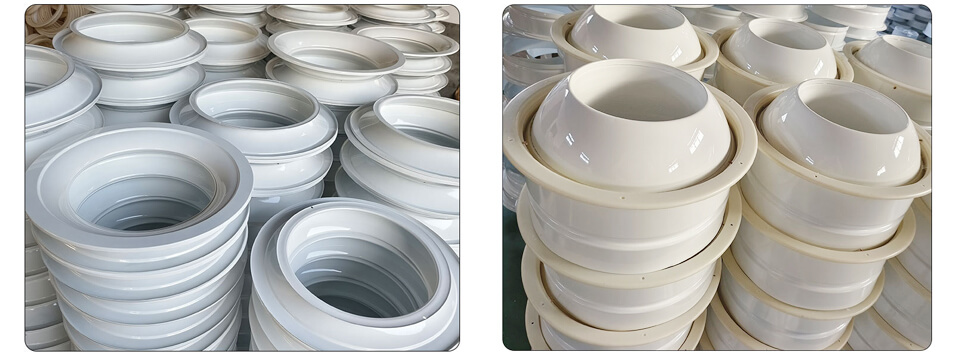
Jet Nozzles: Jet nozzles are engineered to produce a focused stream of air or fluid. They are often used in industrial HVAC applications to direct conditioned air precisely.
Diffuser Nozzles: Diffuser nozzles, as the name suggests, are designed to diffuse airflow in multiple directions. These nozzles are suitable for applications where even distribution of air is essential.
Applications of Nozzles in HVAC
Nozzles in HVAC systems are typically reserved for specialized situations that require a high degree of control over airflow. Some notable applications include:
Industrial HVAC: In industrial settings, such as manufacturing facilities and warehouses, jet nozzles may be used to direct conditioned air toward specific machinery or workstations.
Unique HVAC Configurations: Some HVAC systems, particularly those in specialized environments like cleanrooms or research labs, employ diffuser nozzles to ensure precise and even air distribution.
Energy Efficiency: In certain cases, the use of nozzles can contribute to energy efficiency by optimizing airflow and reducing waste.
While nozzles serve a specific purpose in HVAC systems, it’s essential to recognize that they are not interchangeable with HVAC diffusers, which have a distinct role in achieving indoor comfort and air quality.

The Function of HVAC Diffusers
In contrast to nozzles, HVAC diffusers are components designed to serve a very different function within heating, ventilation, and air conditioning (HVAC) systems. While both components are crucial for optimal airflow control, diffusers are tailored for the even distribution of conditioned air throughout indoor spaces. Let’s delve into the primary function and significance of HVAC diffusers.
Ensuring Even Air Distribution
At the heart of HVAC diffusers’ role is the commitment to ensuring even and consistent air distribution within rooms or spaces. This function is essential for several reasons:
Comfort: HVAC diffusers help maintain a comfortable indoor environment by preventing drafts and temperature stratification. They disperse conditioned air evenly, preventing hot or cold spots.
Air Quality: By promoting uniform air distribution, diffusers aid in maintaining indoor air quality. They help disperse fresh, conditioned air throughout a space, diluting pollutants and allergens.
Preventing Noise: Properly designed and installed diffusers can also contribute to noise reduction by gently distributing air, minimizing turbulent airflow that can generate noise.
Types of HVAC Diffusers
HVAC diffusers come in various types, each tailored to specific needs and applications. Common types of HVAC diffusers include:
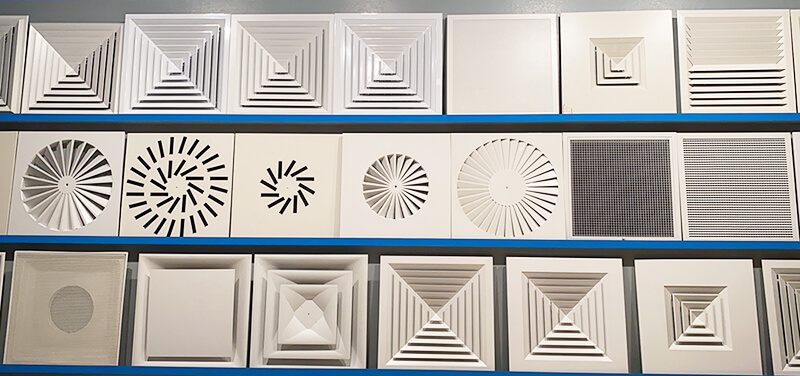
Ceiling Diffusers: Ceiling diffusers are among the most commonly used types. They are installed in the ceiling and disperse conditioned air downward into the room.
Floor Diffusers: Floor diffusers are installed at or near floor level and direct air upwards. They are often used in spaces where warm air should rise to ensure even heating.
Wall Diffusers: Wall diffusers are mounted on walls and are typically used when ceiling or floor installation is impractical.
The Role of Diffusers in Comfort
Achieving indoor comfort relies heavily on the proper design and installation of HVAC diffusers. Their function is closely tied to creating an environment where occupants can enjoy consistent temperatures and quality indoor air. Some key aspects include:
Draft Prevention: HVAC diffusers play a critical role in preventing drafts. Their design ensures that conditioned air is gently released into the room, avoiding uncomfortable air movement.
Temperature Balance: Diffusers help balance indoor temperatures by distributing conditioned air efficiently. This eliminates the discomfort of hot or cold spots.
Minimizing Air Velocity: Diffusers are designed to minimize air velocity upon release. This not only prevents drafts but also ensures that air circulates more gently, enhancing comfort.
In summary, HVAC diffusers are integral to the comfort, air quality, and overall functionality of HVAC systems. Their ability to evenly distribute conditioned air makes them indispensable in both residential and commercial settings.

Differences in Design and Function
Design Variances
Nozzles and HVAC diffusers exhibit distinct design variances that align with their specific roles in HVAC systems. Understanding these design differences is essential to appreciate their respective functions:
Shape: Nozzles typically have a streamlined, conical, or cylindrical shape. This design optimizes their ability to direct airflow in a specific direction with precision.
Size: Nozzles come in various sizes, with diameters chosen to control the volume and velocity of airflow or fluid. Smaller nozzles may be used for fine control, while larger ones can handle higher flow rates.
Materials: Nozzles are often constructed from materials such as metal, plastic, or composite materials. These materials are chosen based on factors like durability and resistance to temperature and pressure.
Surface Finish: The surface finish of nozzles is designed to minimize air resistance and turbulence, contributing to precise airflow control.
Functional Distinctions
Beyond design, the fundamental functions of nozzles and HVAC diffusers differ significantly:
Nozzle Function: Nozzles are engineered to focus and accelerate the airflow or fluid in a specific direction. They excel at directing conditioned air or fluid to specific points, making them ideal for specialized applications requiring pinpoint control.
Diffuser Function: HVAC diffusers prioritize the even distribution of conditioned air throughout a space. Their design aims to minimize turbulence and promote gentle, widespread dispersion of air, ensuring comfort and consistent air quality.
Precision vs. Uniformity
Precision of Nozzles: Nozzles excel in providing precision. They can direct air or fluid with remarkable accuracy, making them invaluable in scenarios where specific airflow control is essential.
Uniformity of Diffusers: HVAC diffusers prioritize uniformity. Their purpose is to ensure that conditioned air is evenly distributed across an entire room or space, preventing hot or cold spots and maintaining comfort.
Application-Specific Selection
Choosing between nozzles and HVAC diffusers depends heavily on the specific requirements of an HVAC system:
Nozzle Selection: Nozzles are chosen when applications demand precise airflow control, such as cooling specific equipment or maintaining critical environmental conditions in industrial processes.
HVAC Diffuser Selection: HVAC diffusers are selected for environments where even temperature distribution, comfort, and indoor air quality are priorities, as seen in residential, commercial, and institutional buildings.
Synergy in HVAC Systems
In some complex HVAC systems, a combination of both nozzles and diffusers may be employed to achieve the desired performance. This synergy allows for both precision control and uniform distribution, showcasing the versatility of HVAC components.
By recognizing the differences in design and function between nozzles and HVAC diffusers, HVAC professionals and system designers can make informed decisions that optimize system performance while ensuring the comfort and satisfaction of occupants.
Applications and Use Cases
Nozzles and HVAC diffusers each find their niche in various applications and use cases, driven by their unique capabilities. Here, we explore the diverse scenarios where these components play a pivotal role:
Nozzle Applications
Industrial Cooling and Drying: Nozzles are instrumental in industrial processes where precise cooling and drying are required. They efficiently direct chilled air or heated gases to machinery and products, optimizing manufacturing operations.
Aerospace Engineering: In the aerospace industry, nozzles are used to control airflow in jet engines, ensuring optimal combustion and thrust. Their precision is vital for aviation safety and efficiency.
Chemical Processing: Nozzles facilitate the precise delivery of chemicals and reactants in chemical processing plants. They ensure that substances are mixed thoroughly and dispensed accurately, preventing wastage and ensuring product quality.
HVAC Diffuser Applications
Residential Comfort: In homes, HVAC diffusers are strategically placed in ceilings, walls, or floors to distribute conditioned air evenly. They eliminate cold drafts and hot spots, providing a comfortable living environment.
Commercial Spaces: Office buildings, shopping centers, and healthcare facilities rely on HVAC diffusers to maintain consistent temperatures and air quality across large areas, enhancing occupant comfort and productivity.
Educational Institutions: Schools and universities use diffusers to ensure that classrooms and lecture halls have uniform temperature and air distribution, creating optimal learning environments.
Healthcare Facilities: Hospitals and clinics prioritize clean, evenly distributed air to maintain patient health. Diffusers play a role in achieving this, promoting a sterile and comfortable atmosphere.
Synergistic Applications
In some instances, a harmonious combination of both nozzles and diffusers is necessary to meet specific requirements:
Cleanrooms: Cleanrooms used in semiconductor manufacturing, pharmaceutical production, and scientific research often employ both components. Nozzles control air purity while diffusers ensure even distribution without contamination.
Data Centers: Data centers require precise cooling to prevent equipment from overheating. Nozzles may be used for targeted cooling, while diffusers maintain uniform temperatures throughout the facility.
Laboratories: Research laboratories rely on controlled environments. Nozzles may handle ventilation for fume hoods, while diffusers ensure consistent air quality in workspaces.
Environmental Considerations
In addition to functionality, the choice between nozzles and HVAC diffusers may be influenced by environmental considerations. Energy efficiency, noise reduction, and sustainability goals can all factor into the selection process.
By aligning the application with the capabilities of nozzles and HVAC diffusers, engineers, architects, and facility managers can optimize HVAC system performance while meeting the specific needs of diverse industries and spaces.
Factors to Consider When Choosing Between Nozzles and Diffusers
Selecting between nozzles and HVAC diffusers hinges on a clear understanding of the system’s objectives. Here are essential factors to consider:
1. Precision vs. Uniformity
Precision (Nozzles): If the primary goal is to deliver conditioned air or fluid to specific points with precision, nozzles are the preferred choice. Consider nozzles for applications where pinpoint control is essential.
Uniformity (Diffusers): When uniform air distribution throughout a space is paramount for comfort and air quality, HVAC diffusers should be favored. Diffusers ensure even temperatures and prevent drafts.
2. Environmental Impact
Energy Efficiency: HVAC systems aim for energy efficiency. Diffusers often excel in this area by promoting gentle airflow and minimizing energy consumption. Nozzles may be more energy-intensive due to their focused airflow.
Noise Reduction: Noise is a concern in many environments. Diffusers, with their gentle airflow, contribute to noise reduction. Nozzles may produce noise due to their high-velocity airflow.
Sustainability: In sustainable building designs, diffusers may align better with ventilation strategies that prioritize energy recovery and passive cooling.
3. Space and Layout
Ceiling Height: Consider the ceiling height when choosing between nozzles and diffusers. Diffusers are commonly used in standard ceiling heights, while nozzles may be suitable for taller spaces.
Space Configuration: The layout of the space matters. Open-plan offices or residential rooms benefit from diffusers, while nozzles may be advantageous in complex industrial layouts.
4. Maintenance and Accessibility
Maintenance Ease: Consider maintenance accessibility. Diffusers are often easier to clean and maintain due to their simple design. Nozzles may require more intricate cleaning and upkeep.
System Complexity: Nozzles, especially in complex industrial applications, may involve more intricate systems, potentially leading to higher maintenance requirements.
5. Budget Constraints
Cost: Evaluate budget constraints. Diffusers are often more cost-effective for standard HVAC applications, while specialized nozzle systems may incur higher costs.
Long-Term Savings: Factor in long-term savings. While diffusers may have a lower upfront cost, energy-efficient designs can result in substantial savings over time.
6. Synergy in System Design
Consider combining both components in complex HVAC system designs where precision and uniformity are simultaneously required. The synergy between nozzles and diffusers can optimize performance.
7. Professional Guidance
Engage HVAC professionals for expert advice. They can assess the specific needs of your HVAC system, the space it serves, and the performance expectations, ensuring the right choice between nozzles and diffusers.
By carefully evaluating these factors, you can make informed decisions that align with your HVAC system’s objectives and the unique requirements of your space.
Common Problems and Troubleshooting
1. Airflow Imbalance
Issue: One of the most common problems is uneven airflow, leading to temperature variations within a space. This can occur due to improper diffuser selection, blockages, or damaged diffusers.
Troubleshooting: To address airflow imbalance, inspect and clean diffusers regularly. If the issue persists, consider redistributing or resizing diffusers as necessary to achieve uniform airflow.
2. Excessive Noise
Issue: Excessive noise from HVAC diffusers can disrupt comfort and productivity. It may result from airflow turbulence, loose components, or improper installation.
Troubleshooting: To reduce noise, ensure that diffusers are properly installed and securely fastened. Additionally, consider diffuser designs that minimize turbulence for quieter operation.
3. Drafts and Discomfort
Issue: Drafts caused by diffusers can lead to discomfort in occupied spaces. Drafts occur when conditioned air is released at too high a velocity or directly toward occupants.
Troubleshooting: To eliminate drafts, adjust the diffuser’s airflow velocity or direction. Ensure that diffusers are not pointed directly at people, and consider diffusers with adjustable louvers for more precise control.
4. Reduced Air Quality
Issue: Reduced indoor air quality can result from poorly functioning diffusers that do not adequately distribute fresh air. This may lead to stagnant areas and accumulation of pollutants.
Troubleshooting: To enhance air quality, inspect diffusers for blockages or obstructions and clean or replace air filters regularly. Consider the use of air purifiers to address indoor air quality concerns.
5. Condensation and Moisture
Issue: Condensation on diffusers or nearby surfaces can occur when there is a significant temperature difference between the conditioned air and the room. This can lead to moisture-related issues, including mold growth.
Troubleshooting: Address condensation by adjusting temperature settings, improving insulation, or using diffusers with moisture-resistant coatings. Ensure proper ventilation to mitigate moisture buildup.
6. Inadequate Airflow
Issue: In some cases, diffusers may deliver inadequate airflow, resulting in insufficient cooling or heating. This can occur due to clogged diffusers, blocked ductwork, or undersized diffusers.
Troubleshooting: Check for blockages or obstructions in diffusers and ductwork. If undersized diffusers are the issue, consider upgrading to larger ones to meet the required airflow.
7. Professional Assistance
When troubleshooting HVAC diffuser problems becomes challenging or when issues persist, it’s advisable to seek professional assistance. HVAC technicians can conduct comprehensive assessments, identify root causes, and implement effective solutions to optimize diffuser performance and overall HVAC system functionality.
By addressing these common problems and implementing effective troubleshooting measures, you can ensure that your HVAC diffusers operate efficiently, promoting comfort, air quality, and energy efficiency within your space.
Installation and Maintenance
1. Proper Installation
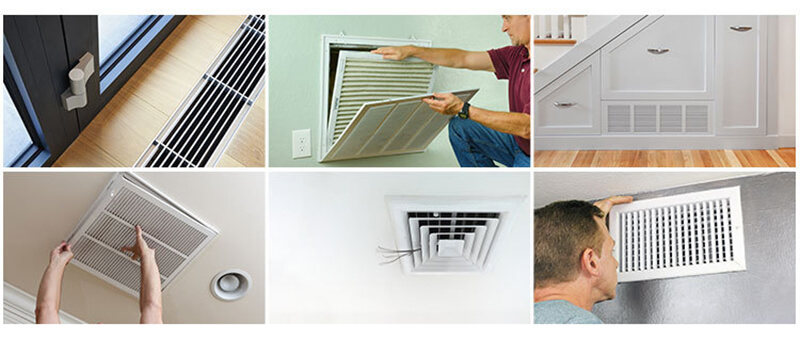
Crucial Beginnings: The installation process sets the foundation for HVAC diffuser performance. Engage professional HVAC technicians to ensure that diffusers are correctly positioned, securely fastened, and aligned with the airflow direction requirements.
Balancing Act: For multiple diffusers in a single system, proper balancing is essential to achieve uniform airflow distribution. Technicians use specialized tools to adjust dampers, louvers, or diffuser settings for optimal results.
2. Routine Maintenance
Cleanliness Matters: Regular cleaning and maintenance are critical for diffuser longevity and performance. Dust, debris, and pollutants can accumulate on diffusers, affecting their efficiency and air quality. Cleaning schedules should align with the environment’s cleanliness requirements.
Filter Check: If diffusers incorporate air filters, it’s vital to monitor and replace them at recommended intervals. Clean filters ensure that conditioned air remains free from contaminants.
Inspection and Repairs: Conduct routine inspections to identify any damage, wear, or malfunction in diffusers. Promptly address issues to prevent performance degradation.
3. Diffuser Types Matter
Adjustable Louvers: Some diffusers feature adjustable louvers, allowing occupants or technicians to fine-tune airflow direction and volume. Regularly inspect and maintain these mechanisms for smooth operation.
Fixed Diffusers: Fixed diffusers are typically low-maintenance but still require regular cleaning to prevent dust buildup.
4. Professional Maintenance Services
Expertise Matters: While basic maintenance can be handled in-house, consider contracting professional maintenance services periodically. HVAC technicians possess the expertise and tools to perform comprehensive assessments, cleaning, and repairs.
Energy Efficiency: Professional maintenance can also improve energy efficiency by ensuring that diffusers operate optimally, reducing energy wastage.
Energy Efficiency and Cost Considerations
1. Energy Efficiency
Impact on Energy Bills: HVAC diffusers play a role in energy efficiency. Well-designed diffusers promote even temperature distribution, reducing the need for excessive heating or cooling, and ultimately lowering energy bills.
Integrated Controls: Modern HVAC systems may incorporate smart controls that adjust diffuser settings based on occupancy and temperature. This dynamic control optimizes energy usage.
2. Initial Cost vs. Long-Term Savings
Upfront Costs: While diffusers can vary in initial cost, it’s essential to consider the long-term savings they can offer. Energy-efficient diffusers may have a higher upfront price but can lead to substantial energy savings over time.
Payback Period: Calculate the payback period for more expensive, energy-efficient diffusers to determine if the investment aligns with your budget and sustainability goals.
3. Sustainability and Environmental Impact
Green Building Standards: Energy-efficient diffusers can contribute to green building certifications like LEED (Leadership in Energy and Environmental Design), showcasing a commitment to sustainability.
Reduced Carbon Footprint: By minimizing energy consumption, efficient diffusers help reduce the carbon footprint of HVAC systems, making them environmentally responsible choices.
4. Return on Investment (ROI)
ROI Analysis: Consider conducting a return on investment analysis to assess the financial benefits of energy-efficient diffusers—factor in energy savings, reduced maintenance costs, and potential incentives or rebates.
Long-Term Value: Energy-efficient diffusers offer not only immediate cost savings but also long-term value through improved comfort, indoor air quality, and sustainability.
5. Professional Consultation
Seek Professional Advice: When making decisions about HVAC diffusers, consult with HVAC professionals who can assess your specific needs, budget constraints, and energy efficiency goals to guide your selection.
Holistic Approach: Take a holistic approach to HVAC system design and diffuser selection, considering how each component contributes to overall energy efficiency and comfort.

Conclusion
In conclusion, understanding the differences between nozzles and HVAC diffusers is crucial for making informed decisions in various applications. Nozzles excel in precision, making them suitable for targeted airflow, while diffusers ensure uniform distribution, prioritizing comfort and air quality.
A Balancing Act
Choosing between these components involves considering factors like system objectives, environmental impact, space constraints, and maintenance requirements. Striking a balance between precision and uniformity is essential to meet specific needs effectively.
Professional Guidance
Engaging HVAC professionals is often the best approach to ensure the right choice for your HVAC system. They can provide expert advice, conduct thorough assessments, and optimize system performance.
The Green Perspective
Energy efficiency and sustainability are key considerations in diffuser selection. Well-designed diffusers can significantly reduce energy consumption, lower carbon footprints, and contribute to green building standards.
Long-Term Benefits
While initial costs may vary, energy-efficient diffusers offer long-term savings, improved comfort, and enhanced indoor air quality. By investing in the right diffusers, you can achieve a positive return on investment over time.
FAQs
FAQ 1: Can I use both nozzles and diffusers in the same HVAC system?
Yes, it’s possible to use both components in a single HVAC system. This combination can optimize airflow precision and distribution, especially in complex environments like cleanrooms and data centers.
FAQ 2: How often should I clean my HVAC diffusers?
The frequency of cleaning depends on factors like the environment, occupancy, and system design. In general, a regular maintenance schedule involving quarterly inspections and cleaning is recommended.
FAQ 3: Are adjustable louvers on diffusers worth the extra cost?
Adjustable louvers provide greater control over airflow direction and volume. They can be advantageous in spaces where flexibility is required, making them worth considering for specific applications.
FAQ 4: Can diffusers improve indoor air quality?
Yes, diffusers play a role in maintaining good indoor air quality. Properly designed diffusers help distribute fresh air evenly, preventing stagnation and ensuring a healthier indoor environment.
FAQ 5: What are the key benefits of energy-efficient diffusers?
Energy-efficient diffusers contribute to lower energy bills, reduced carbon footprints, and improved sustainability. They also enhance comfort, reduce maintenance costs, and may qualify for green building certifications.
FAQ 6: How can I calculate the payback period for energy-efficient diffusers?
Calculate the payback period by comparing the upfront cost of energy-efficient diffusers with the expected energy savings over time. This analysis helps determine when the investment will pay for itself.
FAQ 7: Do diffusers require professional maintenance?
While basic maintenance can be performed in-house, professional maintenance services are recommended periodically. HVAC technicians possess the expertise to conduct comprehensive assessments and ensure optimal diffuser performance.
FAQ 8: Can energy-efficient diffusers contribute to LEED certification?
Yes, energy-efficient diffusers can contribute to LEED (Leadership in Energy and Environmental Design) certification points, making them a valuable choice for environmentally conscious building projects.
FAQ 9: What’s the ROI potential of energy-efficient diffusers?
The return on investment (ROI) for energy-efficient diffusers can be substantial, considering energy savings, reduced maintenance costs, and potential incentives. A detailed ROI analysis can provide specific insights.
If you want to know more, please click below:
- Grilles, Registers & Diffusers – The Ultimate Guide
- HVAC Linear Slot Diffusers – The Ultimate Guide
- HVAC Egg Crate Diffuser – The Ultimate Guide
- HVAC Jet Nozzle Diffuser – The Ultimate Guide
- HVAC Linear Bar Grilles – The Ultimate Guide
- HVAC Air Swirl Diffusers – The Ultimate Guide
- HVAC Round Ceiling Diffusers – The Ultimate Guide
- Round Ceiling Diffusers – The Ultimate Guide
- Exhaust Air Louver – The Ultimate Guide
- HVAC Registers – The Ultimate Guide