

In the ever-evolving landscape of building design and construction, HVAC (Heating, Ventilation, and Air Conditioning) systems play a pivotal role in ensuring comfort, sustainability, and energy efficiency. As we approach the year 2024, the HVAC industry is witnessing a dynamic shift toward innovative and eco-conscious solutions. This article explores the top trends that are shaping the HVAC design landscape for the year 2024, offering a glimpse into the future of heating and cooling technology.
- Sustainable and Green HVAC Solutions
- Smart and Connected HVAC Systems
- Energy Efficiency and Net-Zero Buildings
- Indoor Air Quality Enhancement
- Modular and Flexible HVAC Design
In the following sections, we will delve deeper into each of these trends, exploring their impact on HVAC design, the benefits they offer, and the challenges they present. As we navigate through these trends, it becomes evident that HVAC design is not merely about heating and cooling; it’s about creating sustainable, comfortable, and resilient indoor spaces that meet the needs of the present and future.
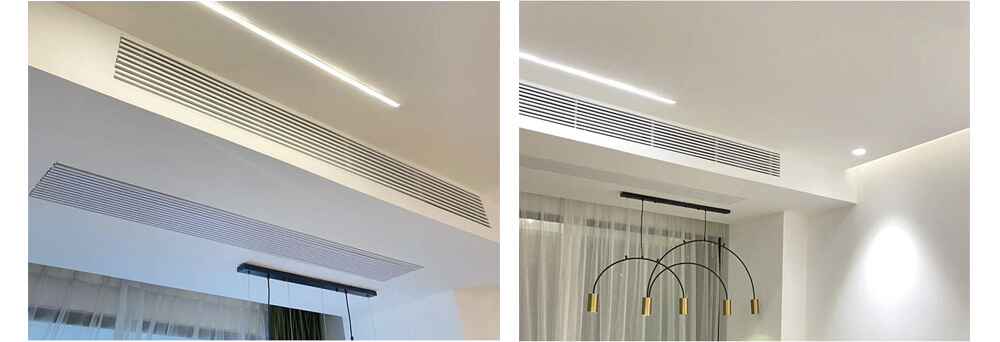
Sustainable and Green HVAC Solutions
In the quest for sustainability and environmental responsibility, the HVAC industry is making remarkable advancements in the development of sustainable and green HVAC solutions. These innovations are aimed at reducing carbon footprints, enhancing energy efficiency, and creating HVAC systems that are both environmentally friendly and cost-effective.
A. Eco-Friendly Refrigerants
One of the most significant shifts in HVAC design is the move towards eco-friendly refrigerants. Traditional refrigerants like hydrochlorofluorocarbons (HCFCs) and hydrofluorocarbons (HFCs) have high global warming potentials. HVAC systems using these refrigerants contribute to greenhouse gas emissions. As a response, the industry is transitioning to refrigerants with lower global warming potentials (GWP) and ozone depletion potential (ODP). These include hydrofluoroolefins (HFOs) and natural refrigerants like carbon dioxide (CO2) and ammonia (NH3).
B. Energy-Efficient Systems
Energy efficiency is a cornerstone of sustainable HVAC design. High-efficiency HVAC systems are designed to use less energy while delivering the same or even better performance. In 2024, we can expect to see a surge in the adoption of Variable Refrigerant Flow (VRF) systems, which can adjust the flow of refrigerant to match the heating and cooling requirements of different spaces, maximizing efficiency.
C. Heat Pumps and Geothermal Systems
Heat pumps are another green HVAC solution gaining traction. They offer both heating and cooling capabilities while consuming significantly less energy compared to traditional heating and cooling methods. Additionally, geothermal heat pump systems tap into the Earth’s stable underground temperature to provide efficient heating and cooling.
D. Carbon-Neutral HVAC Systems
The concept of carbon-neutral HVAC systems is becoming more attainable. These systems incorporate renewable energy sources such as solar panels and wind turbines to generate electricity. This clean energy can power HVAC systems, reducing or even eliminating their carbon emissions.
E. Green Building Certifications
Green building certifications such as LEED (Leadership in Energy and Environmental Design) and ENERGY STAR are driving the adoption of sustainable HVAC solutions. Building owners and designers are increasingly prioritizing these certifications, which require the use of energy-efficient and environmentally friendly HVAC systems.
F. Cost Savings and Long-Term Benefits
Investing in sustainable HVAC solutions may require an initial capital outlay, but the long-term benefits are substantial. Reduced energy consumption leads to lower utility bills, and eco-friendly HVAC systems often have longer lifespans, resulting in fewer replacement and maintenance costs.
As the world moves towards a more sustainable future, HVAC systems are at the forefront of this green revolution. Sustainable and green HVAC solutions not only align with environmental goals but also offer economic advantages for both residential and commercial applications. In the next section, we will explore the realm of smart and connected HVAC systems, which are transforming how we control and manage heating and cooling in buildings.
Smart and Connected HVAC Systems
In a world increasingly reliant on connectivity and automation, smart and connected HVAC systems are taking center stage. These systems leverage advanced technologies, including the Internet of Things (IoT), to provide unprecedented control, efficiency, and convenience in managing heating, ventilation, and air conditioning.
A. IoT Integration
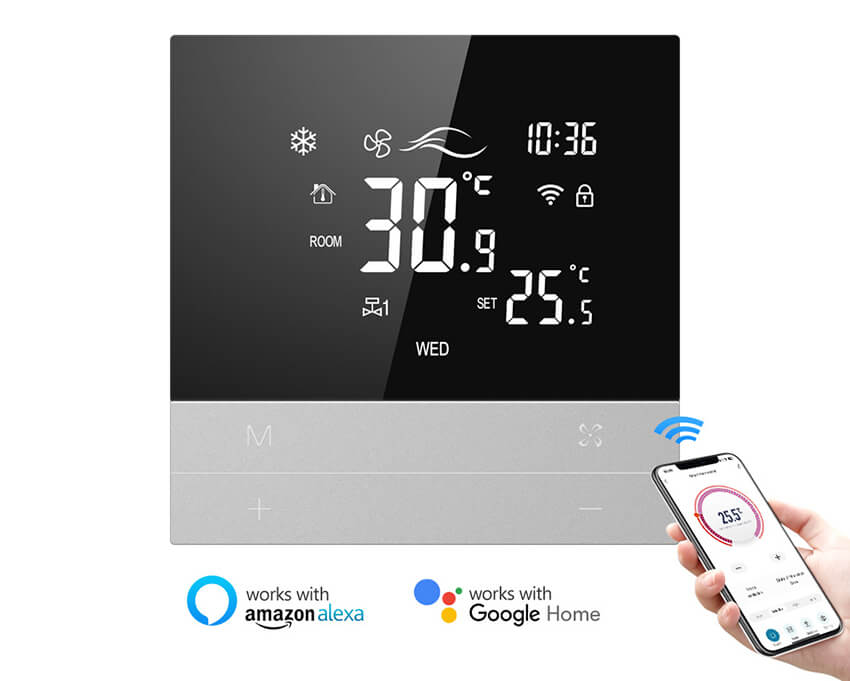
At the heart of smart HVAC systems is IoT integration. This allows various HVAC components, such as thermostats, sensors, and even HVAC units themselves, to communicate and share data seamlessly. IoT-enabled devices enable real-time monitoring and control, offering users the ability to adjust settings remotely via smartphones or computers.
B. Remote Monitoring and Control
One of the primary benefits of smart HVAC systems is remote monitoring and control. Users can check and adjust their HVAC settings from anywhere with an internet connection. Whether you’re at home, at the office, or on vacation, you have full control over your indoor environment.
C. Predictive Maintenance
Smart HVAC systems are equipped with predictive maintenance features. They use data analytics and machine learning to monitor system performance and detect potential issues before they lead to breakdowns. This proactive approach reduces downtime, lowers repair costs, and prolongs the lifespan of HVAC equipment.
D. Energy Optimization
Energy optimization is a key focus of smart HVAC systems. These systems can analyze data on occupancy, outdoor weather conditions, and even electricity prices to optimize energy usage. They can automatically adjust heating and cooling levels to minimize energy consumption without sacrificing comfort.
E. Zoning and Individualized Comfort
Zoning capabilities are a hallmark of smart HVAC systems. They allow users to divide their spaces into zones and customize temperature settings for each zone independently. This ensures individualized comfort while avoiding energy wastage in unoccupied areas.
F. Voice Control and Integration
Integration with virtual voice assistants such as Amazon Alexa and Google Assistant is becoming commonplace in smart HVAC systems. Users can simply issue voice commands to adjust settings, making control even more convenient.
G. Enhanced User Experience
Smart HVAC systems often come with user-friendly interfaces and mobile apps that provide insights into energy consumption, indoor air quality, and system performance. These features empower users to make informed decisions to optimize their HVAC systems.
H. Compatibility and Interoperability
An important consideration with smart HVAC systems is compatibility and interoperability with other smart devices and home automation systems. Ensuring that your HVAC system can seamlessly integrate with your existing or future smart home ecosystem is crucial for a cohesive experience.
The rise of smart and connected HVAC systems signifies a significant shift in how we interact with and manage our indoor environments. These systems not only provide convenience and energy savings but also contribute to a more sustainable and comfortable living and working space. In the next section, we will explore the pivotal role of HVAC systems in achieving energy efficiency and net-zero buildings.

Energy Efficiency and Net-Zero Buildings
The pursuit of energy efficiency in HVAC design has become paramount as the world grapples with the need to reduce carbon emissions and mitigate climate change. In the year 2024, HVAC systems are integral components of net-zero energy buildings, a concept where a structure’s energy consumption is entirely offset by renewable energy generation and energy-efficient design.
A. The Net-Zero Building Concept
- Definition: A net-zero energy building (NZEB), often simply referred to as a “net-zero building,” is a structure that, over a year, generates as much energy as it consumes.
- Energy Sources: NZEBs typically rely on a combination of energy sources, including renewable energy generation (such as solar panels) and highly efficient HVAC and insulation systems.
B. The Role of HVAC Systems
- High-Efficiency HVAC: Achieving net-zero energy status requires exceptionally energy-efficient HVAC systems. This involves the use of advanced technologies such as Variable Refrigerant Flow (VRF) systems, which adapt to varying heating and cooling loads.
- Integration with Renewable Energy: Net-zero buildings often incorporate solar power as a primary energy source. HVAC systems are designed to work in tandem with these renewable sources, ensuring that excess energy can be stored or distributed as needed.
C. Passive Design and Insulation
- Passive Design Principles: Net-zero buildings prioritize passive design principles, which rely on natural elements like sunlight, shade, and natural ventilation to minimize the need for active heating and cooling.
- High-Performance Insulation: Superior insulation is essential in net-zero buildings to reduce thermal losses. This minimizes the workload on HVAC systems, making them more energy-efficient.
D. Energy Recovery Ventilation (ERV)
- ERVs: Net-zero buildings often employ Energy Recovery Ventilation (ERV) systems that exchange heat or coolness between incoming and outgoing air streams. This heat exchange reduces the energy required to condition fresh air.
E. Monitoring and Control Systems
- Advanced Controls: Net-zero buildings utilize advanced control systems that optimize HVAC operation based on real-time data, weather forecasts, and occupancy patterns. This ensures efficient energy use.
- Energy Monitoring: Comprehensive energy monitoring systems track energy consumption across the building, including HVAC, lighting, and appliances, helping identify areas for improvement.
F. Net-Zero Building Certifications
- Certifications: Various certifications, such as LEED Zero Energy, Passive House (PHIUS+), and Living Building Challenge, recognize and validate net-zero building achievements, including HVAC performance.
G. Economic and Environmental Benefits
- Cost Savings: Net-zero buildings benefit from significantly lower energy bills due to energy-efficient HVAC systems, renewable energy generation, and reduced reliance on fossil fuels.
- Environmental Impact: Achieving net-zero energy status reduces a building’s carbon footprint, contributing to environmental sustainability and the fight against climate change.
The emphasis on energy efficiency and the adoption of net-zero building principles are pivotal trends in HVAC design for 2024. As society embraces the importance of sustainable practices, HVAC systems continue to evolve as key players in achieving energy-efficient and environmentally responsible building solutions. In the next section, we’ll delve into the critical aspect of indoor air quality enhancement and its growing significance.
Indoor Air Quality Enhancement
The importance of indoor air quality (IAQ) has gained unprecedented attention, especially in the wake of the COVID-19 pandemic. In 2024, HVAC systems are at the forefront of enhancing indoor air quality, ensuring that occupants breathe clean and healthy air while indoors.
A. Post-Pandemic Considerations
- Heightened Awareness: The pandemic has heightened awareness of the role HVAC systems play in mitigating the spread of viruses and airborne contaminants.
- Air Filtration and Purification: HVAC systems are increasingly incorporating advanced air filtration and purification technologies to remove pollutants and pathogens from indoor air.
B. Advanced Filtration Systems
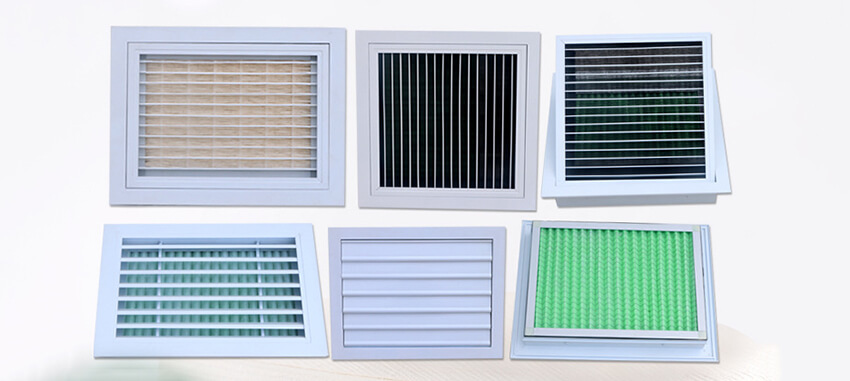
- HEPA Filters: High-efficiency particulate Air (HEPA) filters are widely used to capture particles as small as 0.3 microns, including dust, pollen, and some viruses.
- UV-C Light: UV-C germicidal lamps are employed to disinfect the air by inactivating microorganisms such as bacteria and viruses.
C. Air Purification Technologies
- Ionization: HVAC systems may incorporate ionization technologies that release ions into the air to attract and neutralize particles and pathogens.
- Ozone-Free Ionization: Ozone-free ionization technologies have gained prominence due to their effectiveness without the potential health risks associated with ozone generation.
D. Proper Ventilation
- Adequate Ventilation: Proper ventilation is crucial for maintaining indoor air quality. HVAC systems are designed to provide controlled and balanced ventilation to ensure the supply of fresh outdoor air.
- Demand-Controlled Ventilation: Some systems utilize demand-controlled ventilation, adjusting airflow based on occupancy and indoor air quality measurements.
E. Humidity Control
- Optimal Humidity Levels: Maintaining optimal indoor humidity levels is vital. HVAC systems equipped with humidity control features can prevent mold growth and improve occupant comfort.
- Dehumidification: Dehumidification is particularly important in humid climates to reduce the risk of mold and microbial growth within HVAC systems.
F. Monitoring and Feedback Systems
- Continuous Monitoring: Modern HVAC systems integrate continuous IAQ monitoring systems that provide real-time data on air quality parameters.
- Occupant Feedback: Some systems even gather feedback from occupants, allowing adjustments to IAQ parameters based on comfort and health concerns.
G. Compliance with Standards
- ASHRAE Standards: HVAC designs adhere to ASHRAE (American Society of Heating, Refrigerating, and Air-Conditioning Engineers) standards for IAQ, ensuring that systems meet established air quality guidelines.
H. Health and Well-Being
- Occupant Health: Enhanced IAQ directly contributes to occupant health and well-being, reducing the risk of respiratory illnesses and allergies.
- Productivity and Comfort: Improved air quality fosters a more comfortable and productive indoor environment in homes, offices, and public spaces.
I. Post-Pandemic Design Trends
- Biophilic Design: HVAC systems are increasingly integrated with biophilic design principles, incorporating natural elements and greenery to promote a sense of well-being and connection to nature.
- Enhanced Filtration and Disinfection: HVAC designs prioritize advanced filtration and disinfection technologies, providing peace of mind to occupants.
Enhancing indoor air quality is not just a trend but a fundamental necessity for occupant health and comfort. As HVAC systems continue to evolve, their role in providing clean and healthy indoor air remains a paramount consideration in building design and operation. In the next section, we’ll explore the concept of modular and flexible HVAC design and its benefits in adapting to changing building needs.
Modular and Flexible HVAC Design
Flexibility and adaptability have become essential in HVAC design to accommodate changing building needs and evolving technologies. In 2024, modular and flexible HVAC systems are gaining prominence for their ability to provide efficient climate control while being easy to maintain and upgrade.
A. The Need for Flexibility
- Changing Building Needs: Buildings change occupancy, purpose, and layout over time. HVAC systems must adapt to these evolving requirements.
- Technological Advancements: Rapid advancements in HVAC technology necessitate systems that can easily incorporate new components and features.
B. Benefits of Modular Design
- Scalability: Modular HVAC systems are scalable, allowing users to add or remove components as needed to match the building’s size and requirements.
- Ease of Maintenance: Modular designs simplify maintenance tasks. Individual modules can be accessed and serviced without affecting the entire system.
C. Zoning and Customization
- Zoning Capabilities: Modular HVAC systems often offer zoning capabilities, allowing users to control temperature and airflow in different areas or rooms independently.
- Customization: Building owners can customize modular HVAC systems to meet specific heating and cooling demands, optimizing comfort and energy efficiency.
D. Quick Installation and Upgrades
- Rapid Installation: Modular systems can be installed more quickly than traditional HVAC systems, reducing construction timelines.
- Effortless Upgrades: Upgrades are streamlined with modular designs. New components can be seamlessly integrated into existing systems.
E. Improved Efficiency
- Load Matching: Modular HVAC systems can match the building’s heating and cooling load more precisely, reducing energy waste.
- Energy Savings: By using only the necessary components, modular systems often lead to energy savings and lower operating costs.
F. Flexible Ventilation Solutions
- Demand-Based Ventilation: Some modular systems offer demand-based ventilation, adjusting airflow rates based on occupancy and air quality.
G. Enhanced Control and Automation
- Advanced Controls: Modular HVAC systems often feature advanced control systems that allow for precise temperature and airflow management.
- Automation: Automation capabilities further enhance efficiency by optimizing system performance based on real-time data.
H. Adaptability to Changing Spaces
- Reconfiguration: As spaces are reconfigured, modular HVAC systems can be easily adjusted to accommodate new layouts.
- Expansion: Modular designs facilitate the expansion of HVAC systems to cover additional areas within a building.
I. Cost-Effective Solutions
- Cost Savings: Modular HVAC systems can offer cost savings over the long term, with reduced installation, maintenance, and energy expenses.
J. Sustainable Considerations
- Sustainability: The adaptability of modular HVAC systems aligns with sustainability goals, allowing for efficient use of resources and reducing waste.
- Extended Lifespan: The ability to upgrade and replace components extends the lifespan of HVAC systems, reducing the need for premature replacements.
In a world where adaptability and efficiency are paramount, modular and flexible HVAC designs provide solutions that cater to changing building dynamics and the ever-evolving demands of occupants. These designs ensure that HVAC systems remain effective, cost-efficient, and environmentally responsible. In the next section, we’ll explore the concept of zero-carbon HVAC systems and their role in reducing environmental impact.
Zero Carbon HVAC and Decarbonization
The urgent need to combat climate change has led to a growing emphasis on zero-carbon HVAC systems and the broader process of decarbonization. In 2024, HVAC technology will be at the forefront of efforts to reduce greenhouse gas emissions and create more environmentally responsible buildings.
A. The Zero Carbon Imperative
- Climate Crisis: The increasing threat of climate change underscores the importance of achieving zero carbon emissions in all sectors, including HVAC.
- Environmental Responsibility: Buildings are significant contributors to carbon emissions. Decarbonizing HVAC systems is a crucial step toward reducing their environmental impact.
B. Decarbonization Strategies
- Renewable Energy Integration: Decarbonization often involves the integration of renewable energy sources like solar panels and wind turbines to power HVAC systems.
- Energy Efficiency: Energy-efficient HVAC systems are central to decarbonization efforts. Lower energy consumption means fewer carbon emissions.
C. Carbon-Neutral HVAC Systems
- Definition: A carbon-neutral HVAC system offsets its carbon emissions through various means, such as renewable energy generation and carbon capture technology.
- Net-Zero Carbon Buildings: Buildings with carbon-neutral HVAC systems can achieve net-zero carbon emissions, contributing positively to the environment.
D. Sustainable Refrigerants
- Low GWP Refrigerants: HVAC systems are transitioning to refrigerants with low global warming potentials (GWP) and reduced carbon footprint.
- Natural Refrigerants: Natural refrigerants like carbon dioxide (CO2) and ammonia (NH3) are gaining popularity for their minimal environmental impact.
E. Government Initiatives and Incentives
- Regulations: Governments worldwide are implementing regulations to encourage carbon reduction in HVAC systems, pushing for the adoption of environmentally friendly technologies.
- Incentives: Financial incentives, tax credits, and rebates are often offered to building owners who invest in carbon-neutral HVAC systems.
F. Measuring Carbon Emissions
- Carbon Footprint Assessment: Building owners are increasingly conducting carbon footprint assessments to understand and reduce the emissions associated with HVAC systems.
- Third-Party Certification: Some buildings seek third-party certifications, such as Carbon Trust Certification, to validate their carbon neutrality.
G. Technological Innovations
- Carbon Capture: Emerging technologies in carbon capture allow HVAC systems to capture and store carbon emissions, further reducing their environmental impact.
- Hybrid Systems: Combining HVAC systems with hybrid technologies, such as absorption chillers and cogeneration, can improve energy efficiency and reduce carbon emissions.
H. Economic and Environmental Benefits
- Operational Savings: Carbon-neutral HVAC systems often lead to operational cost savings through reduced energy consumption and lower carbon-related expenses.
- Positive Environmental Impact: Achieving carbon neutrality not only reduces the carbon footprint of buildings but also helps combat climate change on a broader scale.
Zero carbon HVAC and decarbonization represent a significant shift toward more environmentally responsible building practices. These strategies not only align with global sustainability goals but also offer economic benefits, making them a compelling choice for building owners and designers. In the following section, we’ll explore the significance of human-centric design and comfort in HVAC systems.
Human-Centric Design and Comfort
In 2024, HVAC design goes beyond temperature control and energy efficiency; it places the focus squarely on human-centric design to ensure occupants’ comfort, well-being, and satisfaction. Here, we delve into the principles and technologies driving this transformative approach.
A. Understanding Human-Centric Design
- Occupant Comfort: Human-centric HVAC design prioritizes the comfort and satisfaction of building occupants, considering their physical and psychological well-being.
- Biophilic Principles: Biophilic design principles, which mimic nature, are often integrated into HVAC systems to enhance the human connection to the environment.
B. Personalized Climate Control
- Zoning Systems: Zoning capabilities in HVAC systems allow occupants to have personalized climate control. Different areas or rooms can have individualized temperature settings.
- Occupant Feedback: Some systems incorporate occupant feedback mechanisms to tailor HVAC settings based on individual preferences.
C. Noise Reduction and Soundscaping
- Noise Control: Human-centric HVAC designs prioritize noise reduction to create quieter and more comfortable indoor environments.
- Soundscaping: Some systems incorporate soundscaping features, using pleasant sounds to enhance occupant comfort and reduce stress.
D. Ventilation and Air Distribution
- Proper Ventilation: Adequate ventilation is crucial for indoor air quality and occupant health. HVAC systems focus on providing fresh and well-ventilated air.
- Displacement Ventilation: Innovative displacement ventilation systems ensure that fresh air is delivered where it’s needed most, promoting comfort and efficiency.
E. Natural Light Integration
- Daylight Harvesting: Human-centric HVAC designs often integrate daylight harvesting systems to optimize natural light and reduce the need for artificial lighting and cooling.
F. Comfort and Productivity
- Occupant Productivity: A comfortable indoor environment enhances occupant productivity and well-being, making it a priority in HVAC design for commercial spaces.
- Cognitive Function: Proper climate control can positively affect cognitive function, reducing errors and increasing task performance.
G. Health and Wellness
- Health Benefits: Human-centric HVAC systems contribute to improved occupant health by maintaining optimal temperature, humidity, and air quality.
- Stress Reduction: A comfortable and well-ventilated space can reduce stress and contribute to overall mental and physical wellness.
H. Adaptable and Resilient Design
- Adaptability: Human-centric HVAC designs are adaptable, allowing systems to respond to changing conditions and occupant needs.
- Resilience: Resilient HVAC systems are essential, ensuring comfort even during extreme weather events or power outages.
I. Sustainable and Aesthetic Integration
- Sustainability: Human-centric design often goes hand in hand with sustainability, promoting energy-efficient and environmentally friendly HVAC solutions.
- Aesthetic Integration: HVAC components are integrated into building design in an aesthetically pleasing manner to enhance the overall ambiance.
Human-centric HVAC design represents a holistic approach to building comfort and occupant well-being. By considering the physical, emotional, and cognitive needs of occupants, these designs create indoor environments that prioritize human health and satisfaction. In the next section, we will explore the importance of HVAC system resilience and climate adaptation in an era of changing weather patterns.
Resilience and Climate Adaptation
As the world grapples with the effects of climate change, HVAC systems must adapt to increasingly unpredictable weather patterns. In 2024, the focus is on resilience and climate adaptation to ensure uninterrupted indoor comfort in the face of extreme conditions.
A. The Imperative of Resilience
- Changing Climate: Climate change has led to more frequent and severe weather events, posing a significant challenge to HVAC systems’ reliability.
- Resilient HVAC Systems: Resilience measures aim to make HVAC systems more robust and adaptable to withstand extreme weather conditions.
B. Climate Adaptation Strategies
- Extreme Heat and Cooling: HVAC systems are designed to handle both extreme heatwaves and cold snaps, ensuring occupant comfort in all seasons.
- Hurricane and Flood Resistance: In regions prone to hurricanes and flooding, HVAC equipment is often elevated or designed to be flood-resistant.
C. Off-Grid Solutions
- Backup Power: Resilient HVAC systems incorporate backup power sources, such as generators or battery storage, to ensure continued operation during power outages.
- Off-Grid Operation: Some HVAC systems are capable of off-grid operation, relying on renewable energy sources to function independently during emergencies.
D. Smart Sensors and Predictive Maintenance
- Real-Time Monitoring: HVAC systems utilize smart sensors for real-time weather monitoring, allowing them to adjust operations proactively.
- Predictive Maintenance: Predictive maintenance algorithms can detect potential issues in advance, preventing breakdowns during extreme weather events.
E. Rapid Recovery
- Quick Restoration: Resilient HVAC designs prioritize rapid recovery after extreme events to restore comfort as soon as possible.
F. Climate-Adaptive Controls
- Adaptive Controls: HVAC systems may feature climate-adaptive controls that adjust settings automatically in response to changing weather conditions.
G. Building Envelope Improvements
- Sealing and Insulation: Improved building envelope measures, such as enhanced sealing and insulation, help maintain indoor comfort during extreme temperatures.
H. Climate Risk Assessment
- Risk Evaluation: Building owners are increasingly conducting climate risk assessments to identify vulnerabilities in HVAC systems and implement mitigation strategies.
I. Sustainability and Resilience
- Sustainable Design: Sustainable HVAC designs often align with resilient strategies, ensuring both long-term environmental responsibility and operational resilience.
- Energy Storage: The integration of energy storage systems enhances both sustainability and resilience by providing backup power during outages.
Resilience and climate adaptation in HVAC systems are vital for ensuring occupant comfort and safety in the face of an unpredictable climate. By combining smart technologies, proactive maintenance, and adaptive controls, these systems are well-prepared to face the challenges posed by climate change. In the final section, we will summarize the key trends and emphasize the importance of staying informed and adaptable in the ever-evolving HVAC landscape.
Future Challenges and Considerations
As HVAC technology continues to evolve, it brings along a set of future challenges and considerations that both professionals and building owners should keep in mind.
A. Sustainability in HVAC
- Carbon Neutrality: Achieving carbon neutrality in HVAC systems remains a challenge, requiring continued efforts in renewable energy integration, energy efficiency, and sustainable refrigerants.
- Circular Economy: Embracing a circular economy approach, where HVAC components are reused, refurbished, or recycled, is a sustainability goal that needs further attention.
B. Climate Resilience
- Extreme Events: HVAC systems must adapt to increasingly severe and frequent extreme weather events, necessitating robust resilience strategies.
- Climate Risk Assessment: Regular climate risk assessments will be critical to identify vulnerabilities and ensure HVAC systems are prepared for changing climate patterns.
C. Technological Advancements
- Rapid Innovation: The pace of technological innovation in HVAC is accelerating. Staying up-to-date with the latest advancements will be essential for efficiency and performance.
- Integration Challenges: Integrating various smart technologies and ensuring they work seamlessly together presents ongoing integration challenges.
D. Cybersecurity
- Security Measures: With the growing connectivity of HVAC systems, cybersecurity becomes paramount. Protecting against cyber threats will require robust security measures.
E. Regulatory Landscape
- Evolving Regulations: The regulatory landscape for HVAC is evolving to prioritize energy efficiency and sustainability. Keeping up with changing regulations is crucial.
- Incentives and Rebates: Governments may continue to offer incentives and rebates to promote sustainable HVAC solutions. Utilizing these incentives can lead to cost savings.
F. Education and Training
- Skill Development: Ensuring that HVAC professionals have the necessary skills to work with advanced technologies and sustainable practices is vital.
G. Lifecycle Assessment
- Environmental Impact: Conducting lifecycle assessments of HVAC systems will be necessary to understand their long-term environmental impact and identify areas for improvement.
H. Human-Centric Focus
- User Experience: Maintaining a human-centric focus in HVAC design will require ongoing efforts to understand and meet the evolving needs and preferences of occupants.
I. Adaptability
- Future-Proofing: Designing HVAC systems with adaptability in mind will be crucial as building requirements and environmental conditions continue to change.
J. Collaboration and Partnerships
- Cross-Industry Collaboration: Collaborations between HVAC manufacturers, building designers, and sustainability experts will foster innovation and holistic solutions.
K. Data Privacy and Ethics
- Data Usage: As HVAC systems collect more data, the responsible handling of data and respect for occupants’ privacy become ethical considerations.
Staying informed and adaptable in the face of these future challenges will be key to achieving sustainable, resilient, and comfortable indoor environments. The HVAC industry continues to play a critical role in addressing climate change and improving the quality of life for people around the world.
Conclusion
In the ever-evolving landscape of HVAC design and technology, several key trends and considerations have emerged in 2024 that shape the industry’s direction. These trends are pivotal in creating more sustainable, comfortable, and resilient indoor environments for occupants worldwide.
A. The Evolution of HVAC
- Sustainability: Sustainability has become a cornerstone of HVAC design, with a focus on achieving zero carbon emissions, using sustainable refrigerants, and reducing environmental impact.
- Indoor Air Quality: The importance of indoor air quality (IAQ) enhancement is emphasized, with advanced filtration, purification, and ventilation technologies becoming integral.
- Modularity and Flexibility: HVAC systems embrace modular and flexible designs, offering scalability, customization, and ease of maintenance.
- Resilience and Adaptation: Resilient HVAC systems are designed to withstand extreme weather events, ensuring uninterrupted comfort even in the face of climate change.
- Human-Centric Design: Human-centric HVAC design prioritizes occupant comfort, well-being, and productivity, integrating personalized climate control and wellness principles.
B. The Road Ahead
- Challenges and Considerations: As HVAC technology advances, professionals and building owners must address challenges related to sustainability, climate resilience, evolving regulations, and cybersecurity.
- Education and Collaboration: Skill development, cross-industry collaboration, and data privacy considerations will play crucial roles in shaping the future of HVAC.
- Adaptability: Designing HVAC systems with adaptability in mind will be essential to meet changing building requirements and environmental conditions.
In conclusion, HVAC design in 2024 is not merely about controlling temperature; it’s about creating spaces that are sustainable, comfortable, and resilient in the face of evolving challenges. As the industry continues to innovate and adapt, it plays a vital role in addressing climate change and enhancing the quality of life for occupants around the globe. Staying informed and adaptable is key to navigating the dynamic HVAC landscape successfully.
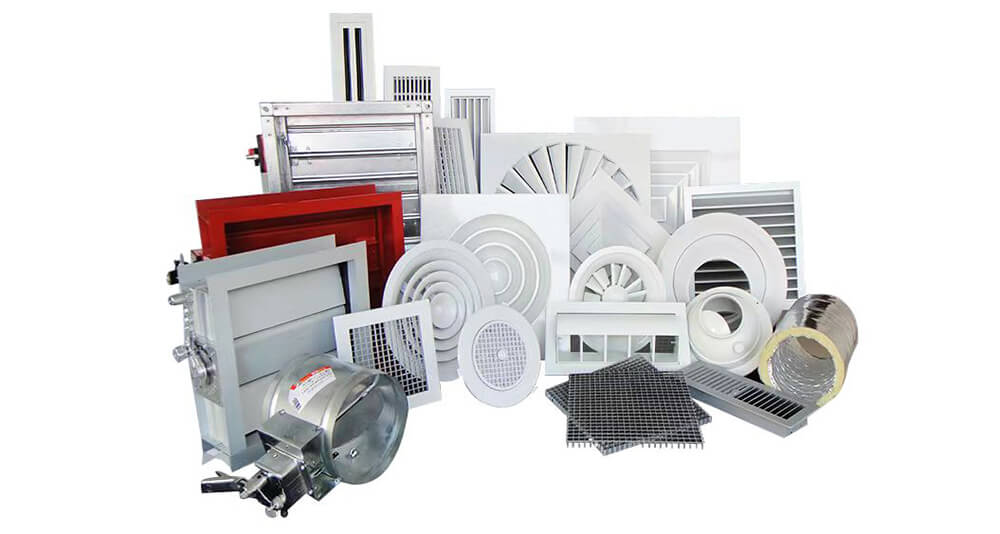
If you want to know more, please click below:
- Grilles, Registers & Diffusers – The Ultimate Guide
- HVAC Linear Slot Diffusers – The Ultimate Guide
- HVAC Egg Crate Diffuser – The Ultimate Guide
- HVAC Jet Nozzle Diffuser – The Ultimate Guide
- HVAC Linear Bar Grilles – The Ultimate Guide
- HVAC Air Swirl Diffusers – The Ultimate Guide
- HVAC Round Ceiling Diffusers – The Ultimate Guide
- Round Ceiling Diffusers – The Ultimate Guide
- Exhaust Air Louver – The Ultimate Guide
- HVAC Registers – The Ultimate Guide