
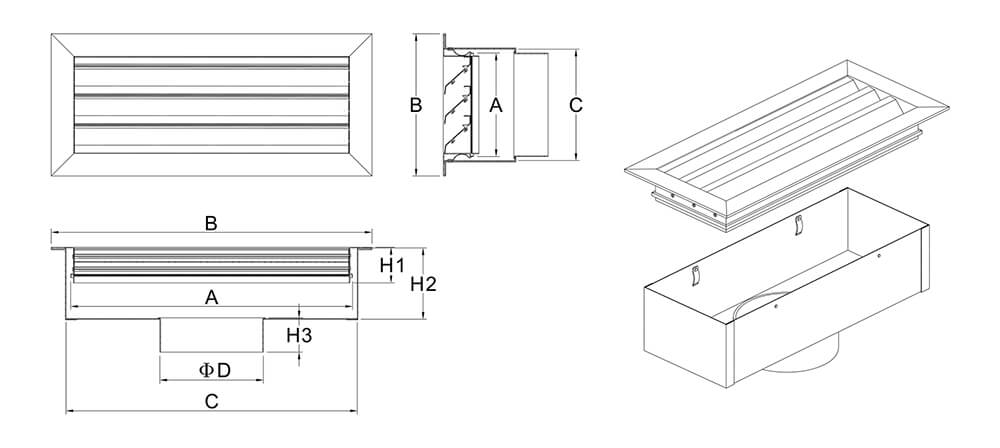
Air grilles, often overlooked, have long been essential elements of HVAC systems. These simple-looking slatted covers serve a vital purpose: they regulate airflow, distribute conditioned air, and maintain comfort levels within indoor spaces. However, as our expectations for HVAC systems have evolved, so too must the air grilles that support them.
As buildings become smarter, energy efficiency becomes paramount, and aesthetics play an ever-increasing role in interior design, air grille design is experiencing a revolution. Welcome to the future of air grille design, where innovation meets function, sustainability meets aesthetics, and comfort meets efficiency.
In this article, we’ll journey through the evolution of air grille design, explore the challenges faced by traditional grille systems, and unveil the exciting innovations that are reshaping this unassuming yet crucial component of HVAC technology.
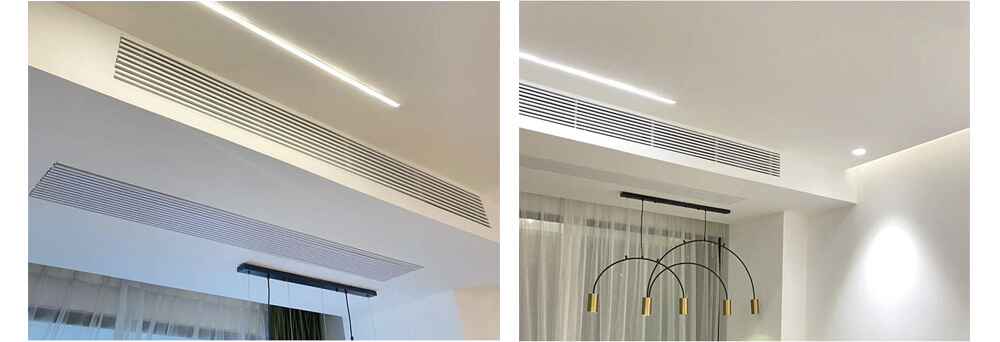
The Evolution of Air Grille Design
The journey of air grille design is a fascinating tale of innovation and adaptation. Over the years, air grilles have evolved from simple, utilitarian components to sophisticated, multifunctional elements that integrate seamlessly into contemporary architecture.
A. The Early Years: Form Follows Function
In the early days of HVAC systems, air grilles were primarily designed with function in mind. Their purpose was straightforward: to facilitate the passage of air while protecting the interior components of the system. These early grilles were typically constructed from durable materials like cast iron or steel, emphasizing longevity and reliability.
B. The Aesthetic Transition
As architectural styles evolved, so did the demand for more aesthetically pleasing air grille designs. Building owners and designers sought ways to integrate HVAC systems without compromising the visual appeal of their spaces. This shift led to the emergence of decorative grilles that featured intricate patterns, motifs, and finishes, blending functionality with aesthetics.
A Paradigm Shift: Challenges of Traditional Designs
While traditional air grille designs served their purpose admirably, they also posed several challenges as building and HVAC system requirements became more complex. These challenges set the stage for a new era of innovation in air grille design.
C. Limitations of Traditional Grilles
- Airflow Restrictions: Conventional grille designs often lead to restricted airflow, hindering the efficiency of HVAC systems and potentially causing discomfort in indoor spaces.
- Noise Generation: In some cases, traditional grilles contributed to noise generation, detracting from the tranquility of indoor environments.
- Maintenance Complexity: Cleaning and maintaining intricate grille patterns proved to be labor-intensive and time-consuming.
- Limited Customization: Traditional grilles offered limited scope for customization, making them less adaptable to modern interior design preferences.
Current Challenges in Air Grille Design
As buildings become more energy-efficient, technologically advanced, and aesthetically diverse, air grille design faces a new set of challenges that demand innovative solutions. Understanding these challenges is crucial to appreciating the need for groundbreaking developments in air grille technology.
A. Energy Efficiency and Airflow Optimization
1. Energy Conservation: In today’s eco-conscious world, optimizing energy efficiency is paramount. Traditional air grilles often obstruct airflow, leading to energy waste as HVAC systems work harder to maintain comfort levels.
2. Air Quality: Ensuring healthy indoor air quality is essential. However, improper air grille design can result in uneven distribution of conditioned air, potentially leading to stagnant zones and air quality concerns.
B. Acoustic Comfort
1. Noise Reduction: In spaces where tranquility is valued, noise generated by HVAC systems can be a major concern. Poorly designed grilles may contribute to noise propagation, affecting occupants’ comfort.
2. Acoustic Control: Certain environments, such as theaters or conference rooms, require precise control over acoustic conditions. Conventional grilles may fall short in meeting these requirements.
C. Modern Aesthetics and Customization
1. Architectural Integration: Contemporary architecture often demands sleek, unobtrusive designs. Grilles that don’t align with the overall aesthetics can disrupt the harmony of a space.
2. Customization: Building owners and designers increasingly seek personalized grille solutions to complement their interior design vision, which can be challenging with off-the-shelf products.
D. Maintenance and Accessibility
1. Ease of Cleaning: Cleaning and maintenance of air grilles, especially those with intricate designs, can be labor-intensive. Accessible and easily cleanable grilles are desirable.
2. Durability: Grilles should withstand the test of time and maintain their performance and appearance over the long term.
3. Retrofitting: Updating existing HVAC systems with modern grilles may pose logistical challenges, requiring adaptable solutions.

Innovative Materials and Construction
The challenges posed by contemporary architecture and HVAC system requirements have spurred a wave of innovation in air grille materials and construction methods. Today’s air grilles showcase cutting-edge materials and construction techniques designed to address the issues of energy efficiency, aesthetics, and performance.
A. Aerodynamic Designs
1. Streamlined Geometry: Modern air grille designs prioritize aerodynamics, reducing air resistance and pressure drops. This optimized airflow enhances the energy efficiency of HVAC systems.
2. Jet Nozzle Technology: Incorporating jet nozzle technology allows for precision control over airflow direction and velocity, ensuring even distribution of conditioned air.
B. Lightweight Composite Materials
1. Aluminum Alloys: Lightweight aluminum alloys offer exceptional strength-to-weight ratios, making them ideal for constructing durable yet lightweight grilles.
2. Advanced Polymers: Innovative polymers provide versatility in design and exceptional resistance to wear corrosion, and UV radiation.
C. Sound-Dampening Features
1. Sound-Absorbing Liners: Grilles now come equipped with sound-absorbing liners that reduce noise generated by the HVAC system, improving acoustic comfort.
2. Baffling Technologies: Strategic baffling and airflow control mechanisms are integrated into grilles to minimize noise propagation.
D. Modular and Customizable Solutions
1. Modular Design: Air grille manufacturers offer modular grille systems that allow for easy customization and retrofitting to match evolving design preferences.
2. Personalization: Building owners and designers can now specify grille design, color, and finish, achieving seamless integration with the building’s interior.
E. Easy Maintenance and Accessibility
1. Tool-Free Access: Innovative grille designs feature tool-free access for quick and hassle-free maintenance.
2. Self-Cleaning Coatings: Some grilles incorporate self-cleaning coatings, reducing the need for frequent cleaning.
F. Sustainable Materials
1. Recycled Content: Manufacturers are increasingly using recycled materials in grille construction, aligning with sustainability goals.
2. Energy-Efficient Manufacturing: Energy-efficient production processes minimize the carbon footprint of air grille manufacturing.
Advanced Airflow Control
Innovations in HVAC technology have led to the development of advanced airflow control mechanisms integrated into modern air grilles. These enhancements allow for precise control of air distribution, optimizing comfort and energy efficiency within indoor spaces.
A. Adjustable Louvers
1. Micro-Louver Technology: Microscopic louvers enable fine-tuned control of airflow direction and velocity. This level of precision ensures that conditioned air reaches specific zones with accuracy.
2. Motorized Louver Systems: Some air grilles feature motorized louvers that can be remotely controlled, allowing real-time adjustments to airflow based on changing needs.
B. Variable Air Volume (VAV) Integration
1. VAV-Compatible Grilles: Air grilles designed for VAV systems respond dynamically to changes in room conditions, adjusting airflow to maintain set temperatures and improve energy efficiency.
2. Smart Sensors: Integrated sensors monitor temperature, occupancy, and air quality, providing data for intelligent airflow adjustments.
C. Airflow Directional Control
1. Jet Nozzles: Jet nozzle technology directs conditioned air precisely where it’s needed, eliminating wasteful dispersion and ensuring efficient cooling or heating.
2. Swirl Diffusers: Swirl diffusers create rotational airflow patterns that help maintain consistent temperatures while minimizing drafts.
D. Pressure-Independent Control
1. PID Valves: Pressure-independent dampers (PID) automatically adjust to maintain constant airflow regardless of variations in duct pressure, enhancing overall system stability.
2. Individual Zone Control: Each grille can operate independently, allowing for zoned climate control within a single space, maximizing comfort and energy efficiency.
E. Smart HVAC Integration
1. Building Automation Systems (BAS): Grilles can be integrated into BAS, enabling centralized control of HVAC systems for optimal performance and energy savings.
2. IoT Connectivity: Internet of Things (IoT) capabilities enable remote monitoring and control of air grille settings through smartphones or web interfaces.
F. Energy-Efficient Operation
1. Reduced Fan Power: Advanced airflow control reduces the load on HVAC fans, resulting in energy savings and extended equipment lifespan.
2. Demand-Based Ventilation: Air grilles equipped with demand-based ventilation respond to occupancy levels, providing ventilation only when necessary.
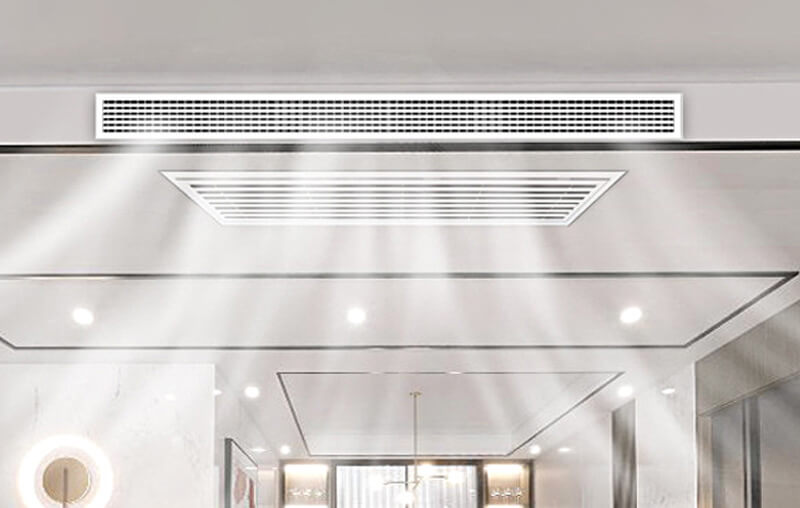
Aesthetic Considerations
Innovations in air grille design not only focus on functionality but also place a significant emphasis on aesthetics. Modern air grilles are designed to seamlessly integrate with various architectural styles while delivering exceptional performance.
A. Customization Options
1. Finish and Material Variety: Air grilles come in a wide range of materials, including aluminum, steel, brass, and even wood. Different finishes such as brushed, polished, or painted are available to match interior aesthetics.
2. Color Choices: Custom paint or powder coating options enable air grilles to blend seamlessly with wall or ceiling colors.
B. Architectural Styles
1. Contemporary: Minimalist and sleek designs with clean lines and sharp angles are ideal for modern interiors.
2. Traditional: Ornate and decorative air grille patterns cater to classic and traditional settings.
3. Industrial: Raw and unfinished materials complement industrial-themed spaces.
C. Grille Patterns and Shapes
1. Geometric Patterns: Grids, hexagons, and other geometric patterns add a contemporary touch.
2. Curved and Artistic Designs: Some air grilles feature curved or artistic shapes to become focal points in the room.
D. Integration with Surroundings
1. Recessed Installation: Recessed air grilles create a seamless appearance by blending into the wall or ceiling.
2. Surface-Mounted: Surface-mounted grilles can be chosen to stand out as design elements or be discreetly placed within the overall decor.
E. Lighting Integration
1. LED-Lit Grilles: Air grilles with integrated LED lighting provide both functionality and aesthetic appeal, offering customizable illumination.
F. Acoustic Performance
1. Sound-Absorbing Grilles: Some modern grilles incorporate sound-absorbing materials to reduce noise levels, enhancing comfort without compromising aesthetics.
G. Sustainability
1. Eco-Friendly Materials: Air grille manufacturers increasingly offer eco-friendly and sustainable materials to meet green building standards.
2. Recyclability: Grilles designed with recyclable materials promote sustainability throughout their lifecycle.
H. Minimalistic Design
1. Invisible Grilles: Ultra-minimalistic designs aim to make the grille disappear into the background, allowing other design elements to shine.
Smart and Connected Air Grilles
As technology continues to advance, air grille design has evolved to embrace smart and connected features. These innovations not only optimize airflow but also offer unprecedented control and convenience for homeowners and building managers.
A. Remote Control
1. Mobile Apps: Smart air grilles can be controlled via dedicated mobile apps, allowing users to adjust airflow, and temperature, and even monitor air quality remotely.
2. Voice Integration: Integration with voice assistants like Amazon Alexa and Google Assistant enables hands-free control.
B. Zone-Based Control
1. Individual Room Control: Smart grilles can be part of a zoning system, allowing for precise temperature and airflow control in different rooms or zones.
2. Energy Efficiency: Zone-based control minimizes energy wastage by directing airflow where it’s needed most.
C. Air Quality Monitoring
1. Sensors: Some smart air grilles come equipped with air quality sensors to monitor and improve indoor air quality.
2. Alerts: Users receive alerts and recommendations based on real-time air quality data.
D. Integration with HVAC Systems
1. Compatibility: Smart grilles can integrate seamlessly with existing HVAC systems, enhancing overall efficiency and comfort.
2. Synchronized Operation: Coordinated operation with HVAC units optimizes temperature control.
E. Automation and Scheduling
1. Pre-Set Schedules: Users can create custom schedules for temperature and airflow adjustments throughout the day, optimizing energy usage.
F. Maintenance Alerts
1. Filter Replacement Reminders: Smart grilles can send notifications when it’s time to replace air filters, ensuring optimal performance and air quality.
G. Data Analytics
1. Historical Data: Users can access historical data on temperature, airflow, and air quality, helping them make informed decisions for optimal comfort and efficiency.
H. Security and Privacy
1. Encryption: Smart air grille manufacturers prioritize data security by employing encryption and robust security protocols.
2. Privacy Controls: Users have control over data sharing and can customize privacy settings.
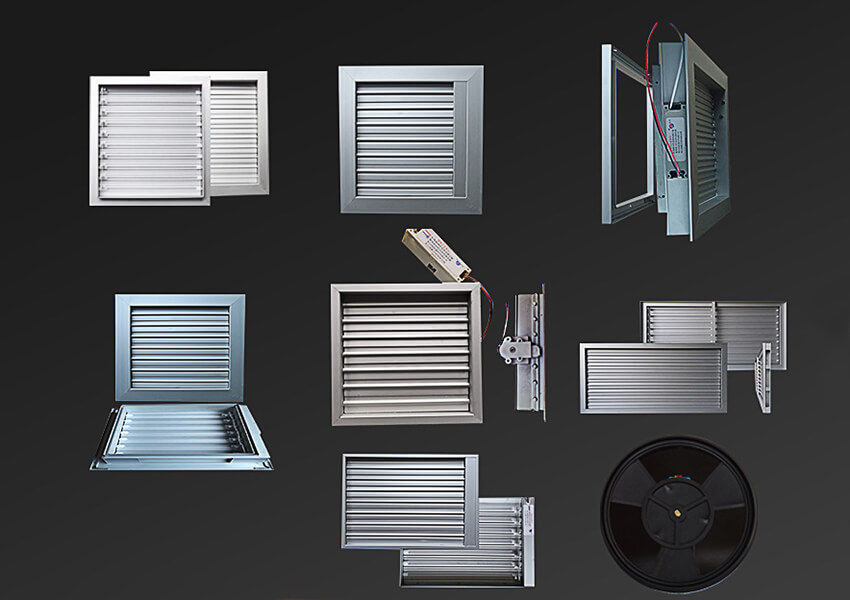
Sustainability and Energy Efficiency
In the quest for more sustainable and energy-efficient HVAC solutions, air grille design has played a pivotal role. These innovative components are not only enhancing comfort but also contributing to a greener, more energy-conscious future.
A. Eco-Friendly Materials
1. Sustainable Sourcing: Manufacturers are increasingly using eco-friendly materials, such as recycled aluminum and responsibly sourced wood, in air grille production.
2. Low VOC Finishes: Volatile organic compound (VOC)-free finishes are employed to reduce indoor air pollution.
B. Improved Airflow Management
1. Optimized Blade Design: Air grille blades are meticulously engineered for efficient airflow, minimizing energy consumption while maintaining comfort.
2. Pressure-Independent Control: Some air grilles feature pressure-independent control mechanisms that adapt to varying airflow requirements, enhancing overall system efficiency.
C. Energy Recovery Ventilation (ERV)
1. Heat and Energy Recovery: ERV-equipped air grilles capture and transfer heat and energy from outgoing air to incoming fresh air, reducing the need for additional heating or cooling.
D. Insulation
1. Insulated Backs: Insulated air grille backs prevent thermal bridging, reducing heat loss or gain through the grille.
E. Solar-Powered Options
1. Solar Panels: Solar-powered air grilles are emerging as a sustainable choice, harnessing renewable energy to power fan-driven models.
F. Energy Efficiency Ratings
1. ENERGY STAR: Some air grille models are ENERGY STAR certified, signifying their superior energy efficiency and reduced environmental impact.
G. Carbon Footprint Reduction
1. Reduced Energy Demand: Energy-efficient air grilles contribute to lower energy demands, thereby reducing the carbon footprint associated with HVAC systems.
H. LEED Certification
1. LEED-Compatible: Air grilles with sustainable features can aid in achieving Leadership in Energy and Environmental Design (LEED) certification for buildings.
I. Life Cycle Assessment
1. Sustainable Design: Manufacturers are increasingly conducting life cycle assessments (LCAs) to ensure that air grille designs have a minimal environmental impact from production to disposal.
J. Consumer Awareness
1. Educating Consumers: Manufacturers and industry organizations are actively educating consumers about the sustainability benefits of choosing eco-conscious air grilles.
Improved Air Quality
In the ever-evolving world of HVAC, air grille design has emerged as a critical component in enhancing indoor air quality (IAQ). As buildings become more airtight and energy-efficient, the role of air grilles in maintaining healthy air has become increasingly important.
A. Filtration Capabilities
1. Advanced Filtration: Some air grilles are equipped with advanced filtration systems, effectively removing airborne particles, allergens, and pollutants from the air.
2. HEPA Filters: High-efficiency particulate air (HEPA) filters integrated into air grilles provide exceptional filtration, capturing even the smallest particles.
B. IAQ Sensors
1. Smart IAQ Monitoring: Air grilles with integrated sensors can monitor IAQ parameters such as humidity, temperature, and carbon dioxide levels, allowing for real-time adjustments.
C. Pathogen Control
1. UV-C Technology: UV-C disinfection systems within air grilles can kill or inactivate harmful microorganisms, improving overall air quality.
D. Fresh Air Intake
1. Ventilation Systems: Air grilles with fresh air intake mechanisms ensure a constant supply of outdoor air, reducing indoor pollutant levels.
E. Reduced Allergens
1. Pollen and Allergen Control: Specialty air grilles are designed to reduce allergen circulation, providing relief to allergy sufferers.
F. Odor Removal
1. Activated Carbon Filters: Air grilles equipped with activated carbon filters effectively remove odors and volatile organic compounds (VOCs).
G. Particulate Control
1. Dust and Particulate Removal: Air grilles with particulate removal capabilities help maintain a cleaner indoor environment.
H. IAQ Certification
1. IAQ-Certified: Some air grille models are certified by IAQ organizations, assuring consumers of their effectiveness in improving air quality.
I. Allergy-Friendly Design
1. Hypoallergenic Materials: Air grilles made from hypoallergenic materials reduce the likelihood of allergen buildup.
J. Contaminant Control
1. Mold and Mildew Prevention: Air grilles designed to resist moisture and inhibit mold growth contribute to healthier indoor spaces.
K. Improved Comfort
1. Even Air Distribution: Air grilles play a role in distributing conditioned air evenly, preventing hot and cold spots that can affect comfort and IAQ.
Noise Reduction and Sound Control
Innovations in air grille design not only focus on air quality but also contribute to a quieter and more peaceful indoor environment. Noise reduction and sound control are essential aspects of modern air grille technology.
A. Acoustic Materials
1. Sound-Absorbing Materials: Air grilles now incorporate sound-absorbing materials that mitigate noise generated by HVAC systems.
2. Insulated Backing: Some air grille models feature insulated backing to further reduce sound transmission.
B. Design Enhancements
1. Baffle Design: Air grille baffles are engineered to redirect airflow and reduce noise while maintaining optimal ventilation.
2. Curved Blades: The use of curved blade designs helps minimize turbulence and associated noise.
C. Sound Dampening Features
1. Vibration Control: Advanced air grilles are designed to control vibrations that can amplify noise levels.
2. Noise-Reduction Coatings: Special coatings on air grilles absorb sound energy, leading to quieter spaces.
D. Ventilation Noise Reduction
1. Whisper-Quiet Ventilation: Air grilles equipped with low-noise ventilation systems ensure peaceful indoor environments.
E. Residential and Commercial Solutions
1. Home Comfort: Air grilles for residential spaces are designed to maintain a serene atmosphere.
2. Office Quietness: Commercial air grilles contribute to noise reduction in office settings, enhancing productivity.
F. Soundproofing Integration
1. Complementary Soundproofing: Air grille design can complement soundproofing measures, ensuring a serene environment.
G. Impact on Well-Being
1. Reduced Stress: Quiet spaces with noise-reducing air grilles positively impact occupants’ well-being by reducing stress levels.
H. Compliance with Regulations
1. Noise Regulations: Air grille designs adhere to noise regulations and standards to meet building code requirements.
I. Customizable Solutions
1. Tailored Noise Control: Customizable air grille options allow for tailored noise control solutions to meet specific needs.
J. Balanced Ventilation
1. Quiet Ventilation: Air grilles are integral to maintaining balanced ventilation while minimizing noise disruption.
K. Maintenance Benefits
1. Extended Equipment Life: Noise reduction features in air grilles can contribute to prolonged HVAC equipment life.
L. Enhanced User Experience
1. Pleasant Environments: Quiet indoor spaces create an enhanced user experience for occupants.
Customization and Personalization
Innovations in air grille design extend beyond functionality and efficiency; they also offer customization and personalization options to cater to diverse aesthetics and architectural preferences.
A. Material Choices
1. Metal Finishes: Air grille materials now come in an array of metal finishes, allowing you to match them with existing interior elements.
2. Wood Veneers: For a touch of warmth and elegance, wood veneer options are available to seamlessly integrate air grilles with wooden furnishings.
3. Paintable Surfaces: Some air grille models offer paintable surfaces, enabling you to match them with your room’s color scheme.
B. Blade Styles
1. Blade Shape: Air grilles come with various blade styles, such as linear, slotted, and curved, allowing you to select the design that suits your interior.
2. Blade Size: Customizable blade sizes enable precise control over airflow and aesthetics.
C. Design Patterns
1. Perforated Patterns: Air grilles can be perforated with intricate designs, adding a decorative element to your space.
2. Architectural Integration: Customized designs can be integrated to blend seamlessly with architectural elements.
D. Logo and Branding
1. Brand Identity: Commercial spaces can incorporate branding elements and logos into air grille designs.
E. Shape and Size
1. Non-Standard Shapes: Custom air grille shapes and sizes can be created to fit unique architectural features.
F. Grille Orientation
1. Horizontal or Vertical: You can choose between horizontal and vertical air grille orientations to complement room aesthetics.
G. Frame Options
1. Frame Styles: Air grilles offer frame style choices, from minimalist to ornate, to match interior design preferences.
H. Residential and Commercial Applications
1. Home Interior: Residential air grille customization allows homeowners to reflect their style.
2. Corporate Identity: Commercial spaces can reinforce their corporate identity through customized air grille designs.
I. Architectural Integration
1. Seamless Integration: Customized air grilles can seamlessly integrate with architectural elements for a cohesive look.
J. Advanced 3D Printing
1. Intricate Detailing: Advanced 3D printing technology enables intricate detailing for unique air grille designs.
K. Bespoke Solutions
1. Tailored to Specifications: Bespoke air grille solutions are crafted to precise specifications, ensuring a perfect fit.
L. Collaborative Design
1. Design Collaboration: Collaborate with design professionals to create air grille solutions that enhance your space.
M. Personal Expression
1. Reflecting Personal Style: Customized air grilles offer a means of personal expression through interior design.
N. Project-Specific Solutions
1. Tailored to Projects: Air grille customization can be tailored to suit the requirements of specific projects.
Future Trends and Predictions
The world of air grille design is in constant motion, adapting to technological advancements and changing design preferences. Here are some future trends and predictions shaping the world of air grille design:
A. Smart Integration
1. IoT Connectivity: Air grilles may become part of the Internet of Things (IoT), enabling users to control airflow remotely through smartphone apps or voice commands.
2. Sensors and Automation: Advanced sensors and automation could optimize airflow in real time based on occupancy and environmental factors.
B. Sustainable Materials
1. Recycled and Eco-Friendly: Future air grille designs are likely to incorporate more recycled and eco-friendly materials, aligning with sustainability goals.
2. Biodegradable Options: Manufacturers may explore biodegradable materials for a more eco-conscious approach.
C. Improved Air Quality
1. Filtration Enhancements: Air grilles may integrate advanced filtration systems, contributing to better indoor air quality.
2. Pathogen Control: Anticipate air grilles with features designed to control pathogens and allergens in the air.
D. Energy Efficiency
1. Energy Recovery: Future air grilles could incorporate energy recovery systems to optimize HVAC system efficiency.
2. Energy Harvesting: Innovative designs might harness energy from airflow to power sensors and IoT connectivity.
E. Design Versatility
1. Modular Configurations: Modular air grille systems could allow for easy customization and reconfiguration.
2. Aesthetic Adaptability: Air grille designs may adapt to changing interior design trends and architectural styles.
F. Acoustic Innovation
1. Noise Reduction: Advanced acoustic materials and designs may further reduce noise levels while maintaining optimal airflow.
G. Sustainability Certification
1. Green Building Standards: Air grille manufacturers may pursue sustainability certifications, ensuring compliance with green building standards.
H. Customization at Scale
1. Mass Customization: Technology-driven mass customization may make personalized air grille designs accessible to a broader audience.
I. Digital Design Tools
1. Virtual Prototyping: Designers may use virtual prototyping tools to visualize and refine air grille designs before production.
J. Enhanced Durability
1. Longevity: Air grille materials may evolve to offer greater durability, extending product lifespans.
2. Weather Resistance: Outdoor air grille designs could enhance weather resistance for extended outdoor use.
K. Global Influences
1. Cross-Cultural Design: Expect to see air grille designs influenced by global aesthetics and architectural styles.
L. Collaboration and Innovation
1. Industry Collaboration: Collaborative efforts between architects, designers, and manufacturers may drive innovation in air grille design.
2. Sustainable Practices: The industry may increasingly adopt circular design practices, focusing on sustainability and reuse.
Conclusion
In conclusion, the world of air grille design is poised for exciting innovations and advancements in the coming years. From smart integration and sustainability to enhanced air quality and energy efficiency, the future of air grilles holds immense promise. Let’s recap the key takeaways:
A. Anticipating Innovation
As technology continues to evolve, air grilles are expected to integrate seamlessly into smart homes and buildings. Users can look forward to greater control over airflow, real-time adjustments, and the convenience of IoT connectivity.
B. A Sustainable Path
Sustainability is at the forefront of design considerations. Future air grille materials are likely to include more recycled and eco-friendly options, contributing to greener and more environmentally responsible spaces.
C. Breathing Easier
The focus on indoor air quality remains a top priority. Air grille designs of the future may feature advanced filtration systems and pathogen control measures, ensuring that the air you breathe is clean and healthy.
D. Efficiency Redefined
Energy efficiency will play a pivotal role in air grille design. Expect innovations such as energy recovery systems and energy-harvesting technologies to optimize HVAC systems while reducing energy consumption.
E. Versatility and Style
Air grille designs will become more versatile, allowing for modular configurations and aesthetic adaptability. This ensures that they seamlessly blend into various design schemes and architectural styles.
F. Peace and Quiet
Acoustic innovation will continue to address noise reduction, making indoor spaces more peaceful without compromising on optimal airflow.
G. A Sustainable Future
Sustainability certifications will become increasingly common, aligning air grille products with green building standards and sustainable practices.
H. Personalized Touch
Mass customization and digital design tools will empower users to personalize air grille designs, achieving tailored aesthetics at scale.
I. Durability and Weather Resistance
Enhanced durability and weather resistance will make air grille designs suitable for both indoor and outdoor applications, expanding their usability.
J. Global Influence
Expect air grille designs influenced by global aesthetics and architectural styles, offering a diverse range of options to choose from.
K. Collaboration for Innovation
Collaboration across industries and a focus on circular design practices will drive innovation, ensuring air-grille design remains at the forefront of modern architecture.
As these trends take shape, the future of air-grille design promises to enhance comfort, efficiency, and aesthetics in our living and working spaces. By staying informed and embracing these innovations, you can ensure that your environments benefit from the latest in air-grille design technology.
The journey of air-grille design is an ever-evolving one, and we look forward to witnessing and experiencing the exciting transformations that lie ahead.
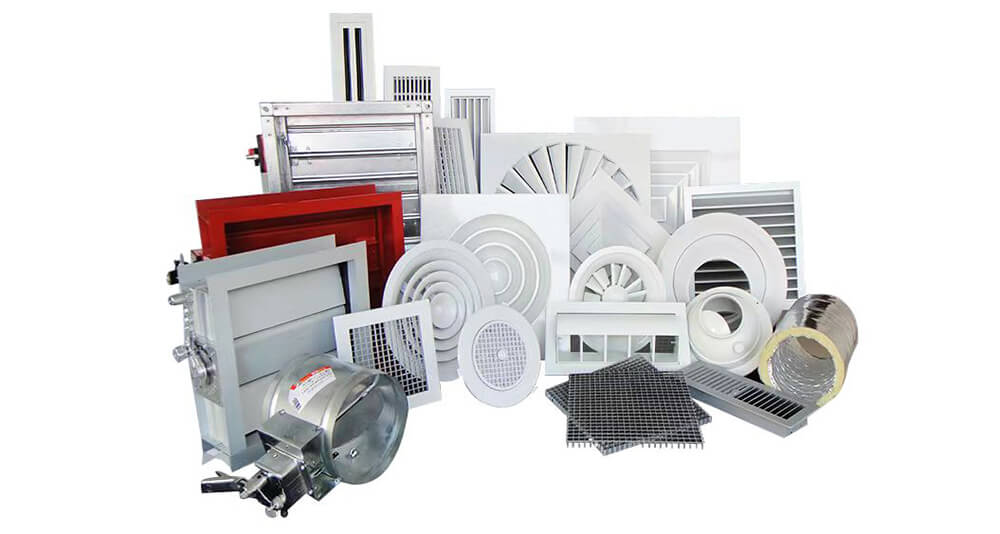
If you want to know more, please click below:
- Grilles, Registers & Diffusers – The Ultimate Guide
- HVAC Linear Slot Diffusers – The Ultimate Guide
- HVAC Egg Crate Diffuser – The Ultimate Guide
- HVAC Jet Nozzle Diffuser – The Ultimate Guide
- HVAC Linear Bar Grilles – The Ultimate Guide
- HVAC Air Swirl Diffusers – The Ultimate Guide
- HVAC Round Ceiling Diffusers – The Ultimate Guide
- Round Ceiling Diffusers – The Ultimate Guide
- Exhaust Air Louver – The Ultimate Guide
- HVAC Registers – The Ultimate Guide