
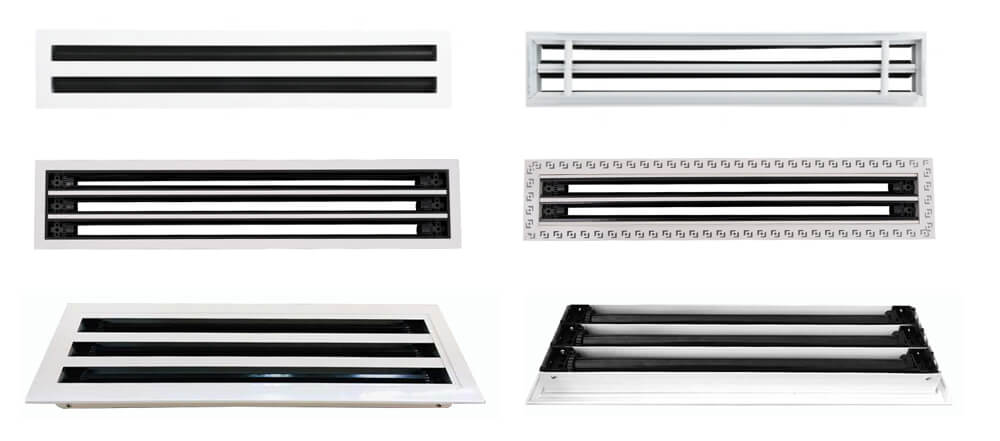
Linear slot diffusers play a pivotal role in the functionality and efficiency of Heating, Ventilation, and Air Conditioning (HVAC) systems. These components are not just functional but also have an aesthetic impact on the spaces they occupy. This article delves into the various types of linear slot diffusers, focusing on aspects like materials, slot quantity, shape, and more, to provide a comprehensive understanding of their versatility and applicability in HVAC systems.
The Significance of Linear Slot Diffusers in HVAC
- Essential Role: Linear slot diffusers are crucial for delivering air in a streamlined and efficient manner, making them key components in modern HVAC systems.
- Aesthetic and Functional Impact: Their design not only affects the distribution of air but also contributes to the architectural aesthetics of a space.
Let’s take a look at a video for reference first
Linear Slot Diffusers Come in Various Types(Brief introduction)
- Materials:
- Aluminum:
- Steel:
- Plastic:
- Number of Slots:
- Single Slot:
- Multiple Slots:
- Shape:
- Rectangular Slots:
- Curved Blades:
- Slot Size:
- Narrow Slots:
- Wide Slots:
- Slot Orientation:
- Vertical Slots:
- Horizontal Slots:
- Adjustability:
- Fixed Blades:
- Adjustable Blades:
- Plenums:
- With Plenums:
- Installation Type:
- Surface Mount:
- Flush Mount:
- End Borders:
- Open End:
- Closed-End:
- Specialized Designs:
- Architectural Designs:
- Custom Designs:
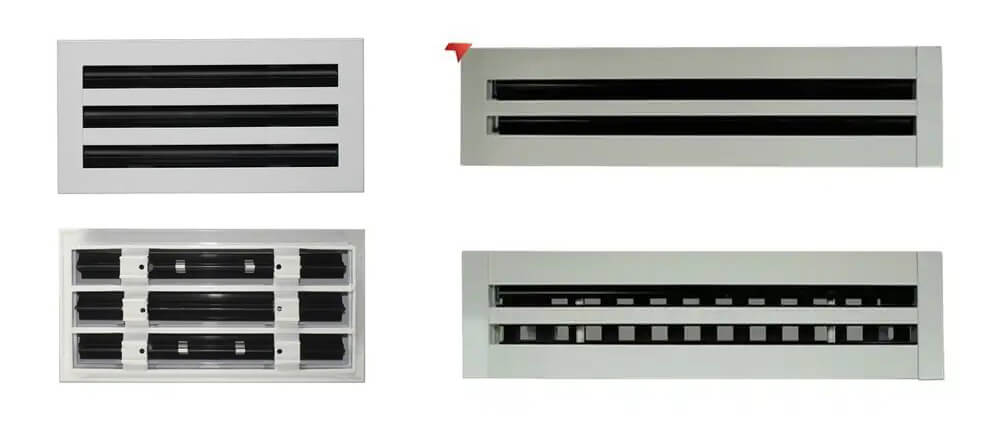
Linear slot diffusers come in various types based on different design aspects such as materials, the number of slots, shapes, and other features. More details as below:
Understanding Linear Slot Diffusers
Linear slot diffusers are an integral part of modern HVAC systems, combining functionality with aesthetic appeal. This section offers a detailed overview of their role and advantages.
Definition and Functionality
- What Are Linear Slot Diffusers?
- Definition: Linear slot diffusers are HVAC components designed for air distribution, characterized by their long, narrow, and streamlined appearance.
- Function: They effectively distribute air across a room, ensuring uniform temperature and air quality, which is essential for occupant comfort and HVAC efficiency.
Advantages of Using Linear Slot Diffusers
- Efficient Air Distribution:
- Uniform Airflow: These diffusers are designed to provide a consistent and even distribution of air, minimizing hot or cold spots in a space.
- Customizable Direction: Many models allow for adjustable air patterns, offering flexibility in directing airflow as per room requirements.
- Aesthetic Integration:
- Sleek Design: The slim and minimalist design of linear slot diffusers allows them to blend seamlessly with various architectural styles.
- Color and Finish Options: They come in a range of colors and finishes, enhancing their ability to complement interior designs.
Typical Applications
- Versatile Use Cases:
- Commercial Spaces: Widely used in offices, retail spaces, and other commercial buildings where both aesthetics and air quality are important.
- Residential Settings: Increasingly popular in modern homes, especially in living areas and bedrooms where discreet air distribution is desired.
Understanding the Role of Linear Slot Diffusers in HVAC
The use of linear slot diffusers in HVAC systems is not just a matter of aesthetic preference but a strategic choice for efficient and comfortable air distribution. Their design and functionality make them suitable for a wide range of applications, from commercial to residential environments.

1. Materials Used in Linear Slot Diffusers
The choice of material in linear slot diffusers significantly impacts their durability, performance, and aesthetic appeal. This section explores the common materials used and their respective properties.
Aluminum: The Standard in Diffuser Construction
- Properties and Benefits:
- Lightweight and Durable: Aluminum is favored for its combination of lightness and strength, making it easy to install and long-lasting.
- Corrosion Resistance: Its natural corrosion resistance ensures a longer lifespan, especially in environments with variable humidity.
- Thermal Conductivity: Aluminum’s good thermal conductivity aids in efficient heat distribution.
Plastic: Cost-effective and Versatile
- Advantages in HVAC Applications:
- Cost Efficiency: Plastic diffusers are generally more affordable, making them a budget-friendly option.
- Flexibility in Design: Available in various shapes and colors, plastic diffusers offer more versatility in design.
- Insulation Qualities: Being less conductive than metal, plastic diffusers can reduce heat loss, improving energy efficiency.
Steel: Robustness and Elegance
- Strength and Aesthetics:
- High Durability: Steel is known for its robustness, making it suitable for areas with high usage or potential impact.
- Elegant Finishes: Steel diffusers can be finished in a variety of ways, providing an elegant look that complements upscale interiors.
- Heat Tolerance: Steel’s high tolerance to heat makes it a reliable choice in environments with extreme temperature variations.
Material Choice Impacting Performance and Application
The material used in the construction of linear slot diffusers not only determines their durability and suitability for different environments but also influences their thermal performance and energy efficiency. Choosing the right material is crucial in ensuring that the diffuser aligns with the specific needs of the space and the overall design aesthetic.

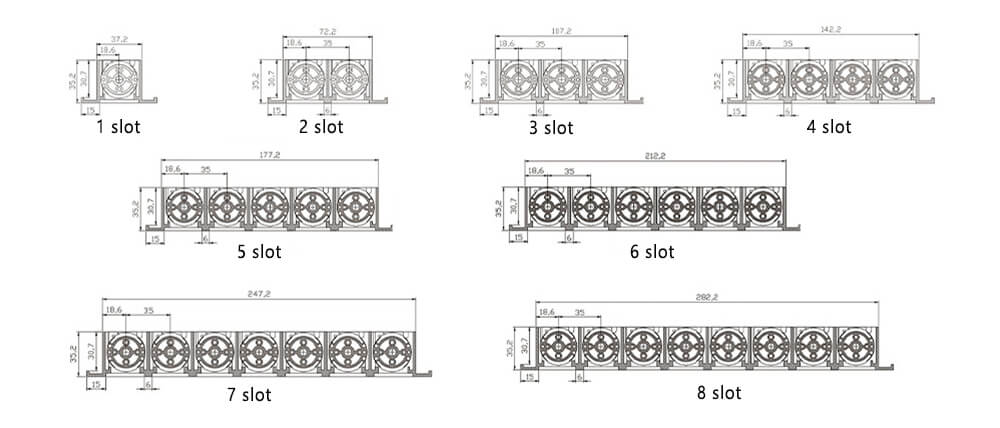
2. Slot Quantity Variations
The number of slots in a linear slot diffuser is a critical factor that influences air distribution and aesthetic appeal. This section explores the variations in slot quantity and their specific applications.
Single Slot Diffusers: Simplicity and Discretion
- Characteristics and Uses:
- Subtle Appearance: Single slot diffusers offer a minimalist look, ideal for spaces where the diffuser should blend in with the décor.
- Direct Airflow: They provide a straightforward, direct airflow pattern, suitable for smaller rooms or spaces with specific air distribution needs.
Double Slot Diffusers: Balanced Performance
- Enhanced Air Distribution:
- Dual Airflow Paths: Double slot diffusers allow for more airflow capacity and better distribution, making them effective in medium-sized rooms.
- Flexibility in Direction: They often feature adjustable vanes for directing airflow, enhancing comfort and efficiency.
Multiple Slot Variations: Maximized Efficiency and Coverage
- Broad Applications:
- Large Space Suitability: Diffusers with multiple slots are designed for large, open areas where extensive air distribution is needed.
- Customizable Patterns: They offer the flexibility to create varied airflow patterns, catering to complex architectural spaces and occupancy needs.
Selecting the Right Slot Quantity for Optimal Performance
Choosing the appropriate slot quantity in a linear slot diffuser depends on various factors, including room size, desired airflow pattern, and aesthetic considerations. Each variation offers distinct benefits and is suited to specific applications, highlighting the importance of understanding the needs of your space to ensure efficient and effective air distribution.
3. Shape and Slot Orientation
The shape and orientation of slots in linear slot diffusers are key factors that contribute to both their functional performance and aesthetic appeal. This section examines the different shapes and slot orientations available in linear slot diffusers and their respective applications.
Shape Variations in Linear Slot Diffusers
- Rectangular Slots: Classic and Efficient
- Straightforward Design: Rectangular slots are the most common design in linear slot diffusers, known for their straightforward and efficient airflow distribution.
- Versatile Application: This shape is versatile, making it suitable for a wide range of settings, from commercial to residential spaces.
- Curved Blades: Aesthetic and Functional
- Enhanced Airflow Patterns: Curved or angled blades are designed not only for aesthetic appeal but also to enhance airflow distribution within a space.
- Architectural Harmony: These diffusers can complement the architectural elements of a room, adding to the overall design aesthetic.
Slot Orientation and Its Impact
- Vertical Slot Orientation: Functional and Space-Saving
- Vertical Alignment: In this orientation, the slots run vertically along the length of the diffuser, which can be an effective space-saving solution.
- Suitable for Specific Layouts: Vertical slots are particularly suitable for installations where horizontal space is limited or for strategic airflow direction.
- Horizontal Slot Orientation: Ideal for Sidewall Installations
- Sidewall Compatibility: Horizontal slots, running along the width of the diffuser, are typically used in sidewall installations.
- Broad Air Distribution: This orientation is effective for distributing air across a wider area, making it ideal for large rooms or spaces with specific ventilation needs.
Selecting the Right Shape and Orientation
The choice of shape and slot orientation in a linear slot diffuser should be based on both the functional requirements and the aesthetic considerations of the space. Understanding these variations enables a more tailored approach to achieving effective air distribution while maintaining the desired look and feel of the environment.
4. Design Variations
Linear slot diffusers come in various specialized designs to cater to specific architectural and functional needs. This section will explore four distinct design types: recessed design, narrow edge design, gypsum board embedded design, and putty pre-embedded design.
Recessed Design: Seamless Integration
- Flush with the Surface:
- Inconspicuous Appearance: Recessed designs are installed flush with the surface, offering a sleek and unobtrusive look ideal for modern interiors.
- Ideal for Minimalist Aesthetics: This design is perfect for spaces where the HVAC elements need to blend seamlessly with the surroundings, maintaining the integrity of the room’s design.
Narrow Edge Design: Subtle and Efficient
- Slim Profile:
- Elegance and Functionality: The narrow edge design features a slim profile, balancing aesthetic appeal with efficient airflow.
- Versatile Application: Suitable for both residential and commercial spaces, this design provides effective air distribution without drawing attention to the HVAC system.
Gypsum Board Embedded Design: Architectural Harmony
- Integrated with Building Material:
- Architectural Cohesion: These diffusers are designed to be embedded into gypsum board ceilings or walls, creating a continuous, uninterrupted surface.
- Customizable to Interior Themes: This design is particularly favorable in interiors where architectural harmony and uniformity are paramount.
Putty Pre-Embedded Design: Ready for Finishing
- Preparation for Final Finish:
- Ease of Installation: Putty pre-embedded designs come ready for the application of the final surface finish, such as paint or plaster, making them versatile for various interior themes.
- Smooth Transition: This design ensures a smooth transition between the diffuser and the surrounding surface, providing a clean and cohesive look.
Selecting the Right Design for Your Space
Each of these design types offers unique benefits in terms of aesthetics and functionality. The choice depends on the specific requirements of the space, including architectural style, desired airflow patterns, and interior design themes. Understanding these variations allows for a more informed selection, ensuring that the chosen linear slot diffuser complements both the performance needs and the aesthetic values of the environment.

5. Adjustability and Plenums
The adjustability of blades and the inclusion of plenums are crucial features that determine the functionality and efficiency of linear slot diffusers. This section explores these aspects in detail.
Adjustability in Linear Slot Diffusers
- Fixed Blades: Stability and Consistency
- Non-Adjustable Design: Fixed blade diffusers are designed with blades that remain in a static position, providing a stable and consistent airflow pattern.
- Simple and Reliable: Ideal for spaces where a constant air distribution pattern is sufficient, these diffusers offer a simple and low-maintenance solution.
- Adjustable Blades: Flexibility and Precision
- Manual or Automatic Adjustment: Adjustable blades can be manually or automatically altered to control the direction and spread of airflow, catering to varying room requirements.
- Customizable Comfort: This feature allows for greater flexibility in managing indoor climate conditions, making it possible to tailor airflow to specific areas or conditions within a space.
Plenums in Linear Slot Diffusers
- With Plenums: Enhanced Air Distribution
- Built-In Air Distribution: Some linear slot diffusers are equipped with built-in plenums that help distribute air more evenly across the diffuser, enhancing overall airflow efficiency.
- Reduced Turbulence: Plenums aid in minimizing air turbulence as it enters the diffuser, leading to a smoother and quieter operation.
Optimizing HVAC Performance with the Right Features
Selecting linear slot diffusers with the appropriate adjustability and plenum features is essential for optimizing HVAC system performance. Fixed blades offer simplicity and ease, while adjustable blades provide versatility and targeted airflow control. Plenums contribute to a more even and efficient air distribution, enhancing the comfort and functionality of the space.

6. Installation Type and End Borders
The installation type and end border design of linear slot diffusers are critical factors that influence both their functional effectiveness and integration into a room’s aesthetic. This section delves into these aspects, providing insights on how to choose the right option based on specific needs.
Installation Type
- Surface Mount: Versatile and Accessible
- Ease of Installation: Surface mount diffusers are designed to be mounted directly onto the surface of a ceiling or wall, offering a straightforward installation process.
- Broad Compatibility: This type is versatile, suitable for a variety of spaces, and easily accessible for maintenance purposes.
- Flush Mount: Sleek and Integrated
- Seamless Appearance: Flush mount diffusers are installed to be level with the surface of the ceiling or wall, creating a smooth, unobtrusive look.
- Enhanced Aesthetics: Ideal for contemporary spaces or where a minimalist design is desired, these diffusers blend seamlessly with the architectural elements of the room.
End Borders
- Open End Design: Continuous Airflow
- Uninterrupted Distribution: Diffusers with open ends allow for continuous air distribution, which can be beneficial in larger spaces or in applications where a linear, unbroken flow is needed.
- Architectural Consideration: The open-end design can also contribute to the visual continuity in a space, aligning with certain architectural styles.
- Closed-End Design: Focused Airflow
- Contained Airflow: Closed-end diffusers provide a more directed and contained airflow, useful in smaller spaces or where specific areas require targeted ventilation.
- Defined Aesthetics: The closed-end design offers a more defined appearance, often preferred in settings where a distinct architectural statement is desired.
Choosing the Appropriate Installation and End Border Style
The selection of the installation type and end border style of a linear slot diffuser should align with the specific functional needs of the space as well as the desired aesthetic outcome. Understanding these options allows for a more tailored approach, ensuring that the diffuser not only performs efficiently but also complements the design and ambiance of the environment.

Size and Installation Considerations
The size and installation of linear slot diffusers are critical factors that determine their efficiency and effectiveness. This section guides how to properly size and install these components for optimal performance.
Determining the Right Size for Maximum Efficiency
- Assessing Room Requirements:
- Calculating Airflow Needs: The size of the diffuser should be based on the room’s size and the HVAC system’s airflow requirements, ensuring efficient air distribution.
- Custom Sizing for Unique Spaces: In some cases, custom sizes may be necessary to accommodate specific room dimensions or airflow demands.
Installation Best Practices
- Ensuring Proper Placement:
- Strategic Location: The effectiveness of a diffuser is highly dependent on its placement. It should be installed in a location that maximizes airflow distribution and complements the room’s layout.
- Avoiding Obstructions: Care must be taken to avoid obstructions like furniture or curtains, which can impede airflow.
Overcoming Installation Challenges
- Addressing Common Issues:
- Dealing with Space Constraints: In spaces with limited room or unique architectural features, installation may require creative solutions to ensure proper fit and function.
- Ensuring Structural Integrity: When installing diffusers, particularly in gypsum boards or pre-embedded settings, it’s important to maintain the structural integrity of the surrounding material.
Impact of Size and Installation on HVAC Efficiency
- Balancing Aesthetics and Performance:
- Aesthetic Considerations: While aesthetics are important, they should not compromise the diffuser’s functionality. The size and placement should enhance both the room’s appearance and its climate control.
- Efficiency Considerations: Properly sized and installed diffusers contribute significantly to the overall efficiency of the HVAC system, reducing energy costs and improving comfort.
Finalizing Size and Installation Decisions
The process of sizing and installing linear slot diffusers requires careful consideration of both technical and aesthetic factors. Ensuring that these elements are in harmony will result in an HVAC system that not only performs efficiently but also integrates seamlessly with the design of the space.
Selecting the Right Linear Slot Diffuser
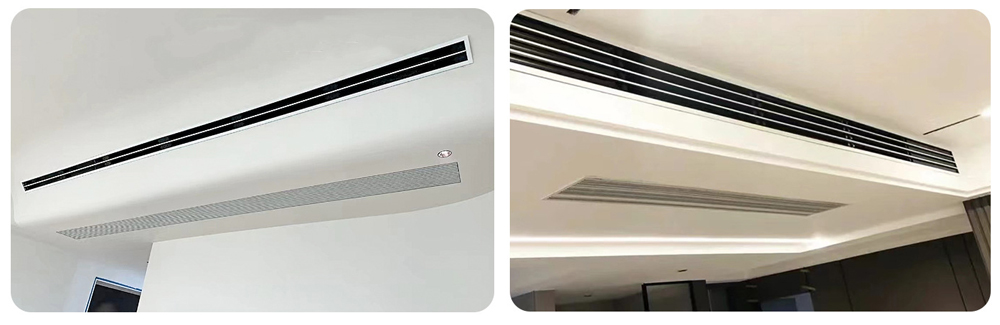
Selecting the right linear slot diffuser is crucial for achieving the desired balance of functionality, energy efficiency, and aesthetic appeal in HVAC systems. This section offers guidance on how to make the best choice for your specific needs.
Assessing Room Requirements
- Understanding Space Dynamics:
- Room Size and Layout: Consider the size and layout of the room to determine the appropriate size and type of diffuser.
- Airflow Needs: Evaluate the airflow requirements based on room usage, occupancy levels, and existing HVAC system capacity.
Considering Design and Aesthetic Preferences
- Matching with Interior Design:
- Style Compatibility: Choose a diffuser design that complements the room’s architectural style and interior décor.
- Visual Impact: Consider how the diffuser will blend into or enhance the space, taking into account the various design options like recessed narrow edge, or custom designs.
Material and Durability Factors
- Balancing Performance and Longevity:
- Material Suitability: Select a material that not only suits the aesthetic needs but also offers the durability and performance required for the specific environment.
- Maintenance Considerations: Factor in the ease of maintenance and the longevity of different materials.
Integration with Existing HVAC Systems
- Ensuring System Compatibility:
- System Constraints: Ensure that the chosen diffuser is compatible with the existing HVAC system in terms of size, capacity, and control mechanisms.
- Professional Consultation: It’s advisable to consult with HVAC professionals to guarantee that the diffuser choice aligns with the overall system’s design and functionality.
Avoiding Common Mistakes in Selection
- Informed Decisions:
- Overlooking Room Dynamics: Avoid choosing a diffuser based solely on aesthetics without considering the room’s airflow requirements.
- Ignoring Installation Constraints: Be mindful of the practical aspects of installation and maintenance when selecting a diffuser.
Final Thoughts on Diffuser Selection
Selecting the right linear slot diffuser involves a thorough understanding of both the technical aspects of airflow management and the aesthetic considerations of interior design. By carefully evaluating these factors, you can ensure that your choice enhances both the efficiency of your HVAC system and the overall ambiance of the space.
Conclusion
As we reach the end of our comprehensive exploration of linear slot diffusers in HVAC systems, let’s revisit the crucial aspects that have been covered, emphasizing their significance in both functionality and design.
Reflecting on the Importance of Appropriate Selection
- Balancing Functionality and Aesthetics:
- Key to HVAC Efficiency: The right linear slot diffuser plays a pivotal role in ensuring efficient air distribution and maintaining indoor comfort levels.
- Design Integration: Its impact on the aesthetic appeal of a space underscores the importance of careful selection that aligns with interior design themes.
Embracing the Variety in Design and Function
- Diverse Options for Diverse Needs:
- Range of Choices: From different materials to varied shapes and control mechanisms, the wide array of options caters to diverse architectural and functional requirements.
- Customized Solutions: The availability of specialized designs like recessed, narrow edge, and pre-embedded options allows for tailored solutions that meet specific needs.
Looking Forward: Continuous Innovation and Informed Decisions
- Staying Updated with Advancements:
- Evolving Technologies: As HVAC technologies continue to advance, staying informed about the latest trends in diffuser designs and functionalities becomes crucial.
- Making Informed Choices: Whether you are an HVAC professional, architect, or homeowner, understanding the nuances of linear slot diffusers is key to making decisions that enhance both efficiency and aesthetics.
Closing Thoughts
The journey through understanding the intricacies of linear slot diffusers highlights their critical role in HVAC system performance and interior design. By comprehensively considering factors such as room requirements, design preferences, material durability, and installation constraints, one can make informed choices that ensure the selected diffusers not only meet functional demands but also complement the architectural integrity of the space.
FAQs: Types of Linear Slot Diffusers in HVAC Systems
Q1: What Are the Key Factors to Consider When Choosing a Linear Slot Diffuser?
A1: Considerations for Optimal Selection:
- Room Size and Layout: Determine the diffuser size and type based on the dimensions and layout of the space.
- Airflow Requirements: Consider the airflow needs of the room to ensure efficient air distribution.
- Aesthetic Preferences: Select a design that complements the interior style of the space.
- Material Durability: Choose a material that offers both longevity and performance suitable for the environment.
Q2: How Does the Material of a Linear Slot Diffuser Impact Its Performance?
A2: Material Influence on Diffuser Efficacy:
- Thermal Conductivity: Materials like aluminum can affect the thermal efficiency of the diffuser.
- Durability: Robust materials like steel are ideal for high-usage areas.
- Maintenance Needs: Consider ease of cleaning and maintenance when selecting the material.
Q3: Can Linear Slot Diffusers Be Customized to Fit Specific Architectural Designs?
A3: Customization Potential:
- Design Flexibility: Linear slot diffusers can be customized in terms of size, shape, and finish to align with unique architectural requirements.
- Special Features: Features like recessed or gypsum board embedded designs offer additional customization options for seamless integration.
Q4: Are There Automated Control Options Available for Linear Slot Diffusers?
A4: Advanced Control Mechanisms:
- Smart Controls: Some linear slot diffusers come with automated control options, including remote adjustments and integration with smart HVAC systems.
- Responsive Adjustments: These systems can adjust airflow automatically based on environmental sensors or pre-set schedules.
Q5: How Often Do Linear Slot Diffusers Require Maintenance?
A5: Maintenance Guidelines:
- Regular Cleaning: Routine cleaning is essential to maintain airflow efficiency and prevent dust accumulation.
- Periodic Inspection: Regular inspections for any signs of wear or damage help in maintaining optimal performance.

If you want to know more, please click below:
- HVAC Linear Slot Diffusers – The Ultimate Guide
- HVAC Egg Crate Diffuser – The Ultimate Guide
- HVAC Jet Nozzle Diffuser – The Ultimate Guide
- HVAC Linear Bar Grilles – The Ultimate Guide
- HVAC Air Swirl Diffusers – The Ultimate Guide
- HVAC Round Ceiling Diffusers – The Ultimate Guide
- Round Ceiling Diffusers – The Ultimate Guide
- HVAC Return Air Grille – The Ultimate Guide
- Exhaust Air Louver – The Ultimate Guide
- HVAC Registers – The Ultimate Guide